
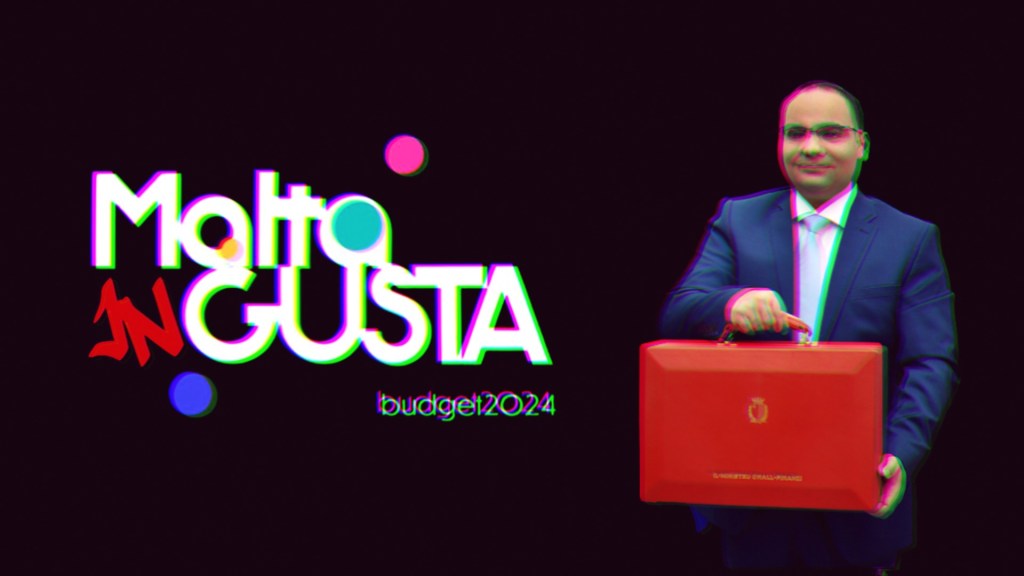
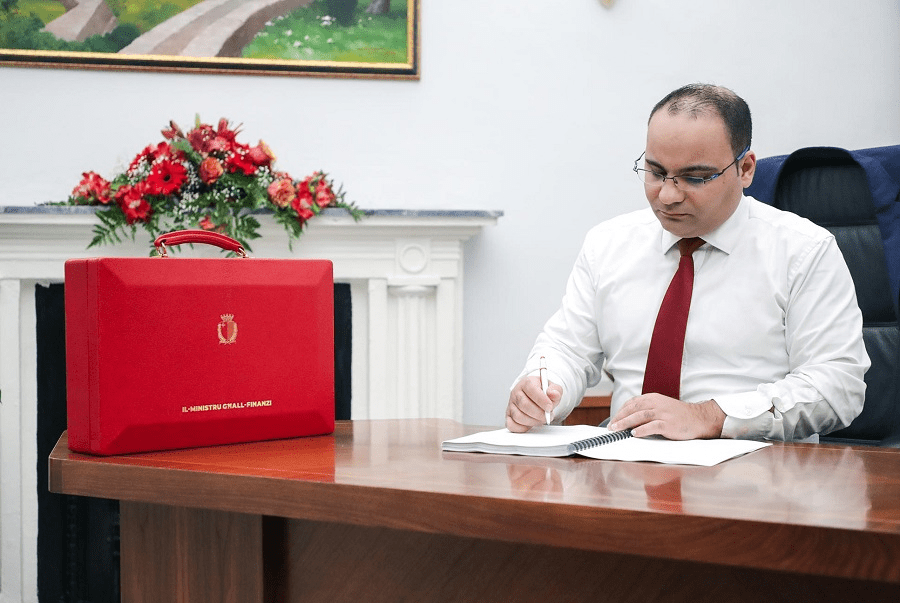
In the aftermath of Finance Minister Clyde Caruana’s 2024 budget presentation, reactions have spanned a spectrum of sentiments. While some quarters appreciated the retention of energy subsidies, the overarching sentiment is one of discontent, indicating that the budget falls short of presenting a comprehensive vision for the nation’s future.
Let’s talk about subsidies
When the economy is growing, exorbitant spending has backing. Governments can increase public spending and accrue debt, particularly as the economy grows. This issue is important.
In a growing economy, even if the nominal debt (the actual amount of debt) increases, a rising Gross Domestic Product (GDP) can help keep the debt-to-GDP ratio stable or even reduce it. This ratio is crucial because it offers a relative measure of a country’s debt burden. A country with a growing economy and a stable or decreasing debt-to-GDP ratio is generally seen as being in a healthy economic position because its ability to generate income (GDP) is rising alongside or faster than its debt. Now, already here it is important to note that Malta’s debt-to-GDP ratio has been and will continue to rise for many years to come. Even as the economy is growing.
There is of course, a benefit to public spending. When done in certain sectors, ‘economic multipliers’ can result in long-term growth that exceeds the initial investment. For instance, investing in infrastructure might not only create jobs in the short term but could also enhance productivity and economic efficiency in the long run, leading to broader benefits. Subsidies are not an investment.
Population-based growth is unsustainable
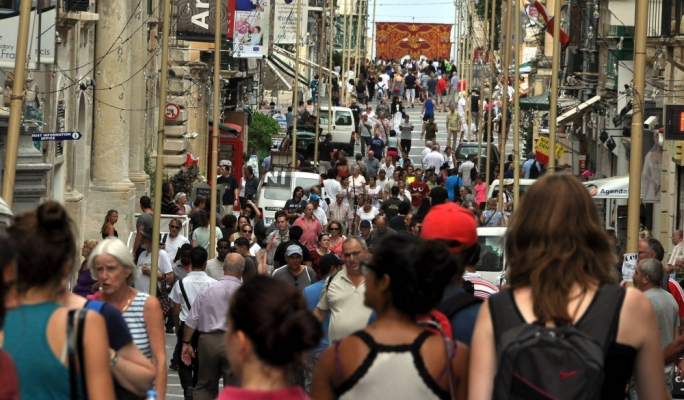
The National Statistics Office has repeatedly reported that the majority of regions across the nation, including Gozo, are witnessing unprecedented rates of population growth. This surge has sparked concerns about potential infrastructural deficits, heightened traffic congestion, and increased construction activities. These widespread trends are already warping the face of the nation, and Minister Caruana’s ambitions of achieving close to 1,000,000 population on our little rock is a beaming example of being so blinded by unfettered growth that we forget the deteriorating society behind it. Who is this for?
And say we do eventually stop growing, and we’re caught with a chunk of our public spending going into subsidies – what next?
If the economy stops growing while debt continues to increase, the debt-to-GDP ratio will rise even more strongly. A high ratio will then reduce investor confidence, potentially leading to higher borrowing costs. This means one thing.
Future generations, smaller in number, will be burdened with a higher per-capita debt load. This breach of intergenerational equity is already being felt by a generation of youth who cannot imagine being capable of buying their own home. It can only get worse. There is a reason why both the International Monetary Fund (IMF) and the European Commission (EC) have been begging the Maltese government to lay off the aggressive populist measures – this is an irresponsible way of alleviating the spending load from our families.
Not everyone disagrees
The commitment to maintaining the energy subsidies is still comforting for many. This assurance was highlighted by the Chamber of SMEs, who however, pointed out that the Budget speech lacked focus and new initiatives to bolster SMEs.
Speaking of SMEs
According to the third quarter 2023 SME Barometer presented by The Malta Chamber of SMEs on Friday, a significant 80% of Small and Medium-sized Enterprises (SMEs) feel that Malta is not on the right track. This reflects a 16% rise in negative sentiment from the previous quarter’s results.
The SME Barometer, a regular survey that offers insights into economic patterns, business mood, and the health of SMEs in Malta, is an initiative by the Malta Chamber of SMEs, executed in partnership with MISCO. The findings were disclosed in a media briefing on Friday, featuring discussions from the SME Chamber’s President Paul Abela, CEO Abigail Agius Mamo, Deputy President Philip Fenech, and MISCO’s Director Lawrence Zammit.
The Industrial Sphere
The Malta Employers’ Association (MEA) built on critiques of the budget for its lack of focus on long-term restructuring towards a sustainable economic model. The incentives for pensioners were welcomed, but the MEA raised concerns about the notable neglect of vocational skills and tourism sectors.
Moreover, the ‘unprecedented’ increase in the cost of living allowance (COLA) has raised alarm bells, with the MEA warning about its potential negative ramifications on businesses and an unwanted fueling of inflation.
Taxed COLA, by the way
Discontent resonated loudly among unions, with the UĦM Voice of the Workers terming the budget as ‘very disappointing’. They lamented the government’s decision to continue taxing COLA, despite multiple social partners advocating against it, and in the backdrop of over €500 million spent on a corrupt hospitals agreement . Furthermore, the promise of introducing an adjustment mechanism for COLA in the public sector remained unfulfilled, leading to deepened mistrust.
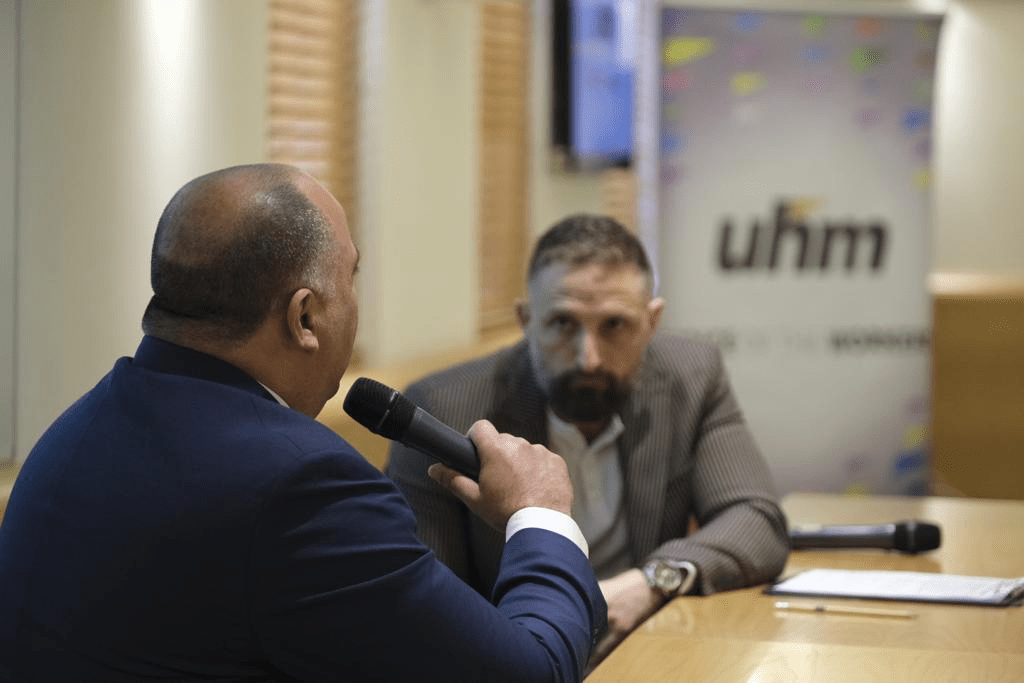
In line with these sentiments, the Forum Unions Maltin expressed its disillusionment, especially about public sector workers not receiving COLA hikes. President Paul Pace didn’t mince words, declaring that the government had betrayed the workers.
Education: The Neglected Sector?
Education unions echoed a collective sentiment of neglect. The Malta Union of Teachers (MUT) highlighted the lack of novel initiatives for the education sector, pointing out that the announced measures had already been unveiled previously. Similarly, the Union of Professional Educators (UPE) felt that the budget failed to introduce any significant measures for educators.
Green Concerns and Tourism Ignored
ADPD, the Green Party, acknowledged the direction of the minimum wage increase but was critical of the energy subsidy’s blanket approach. Chairperson Sandra Gauci stressed the need for a more targeted subsidy system and emphasized redirecting funds towards renewable energy and education.
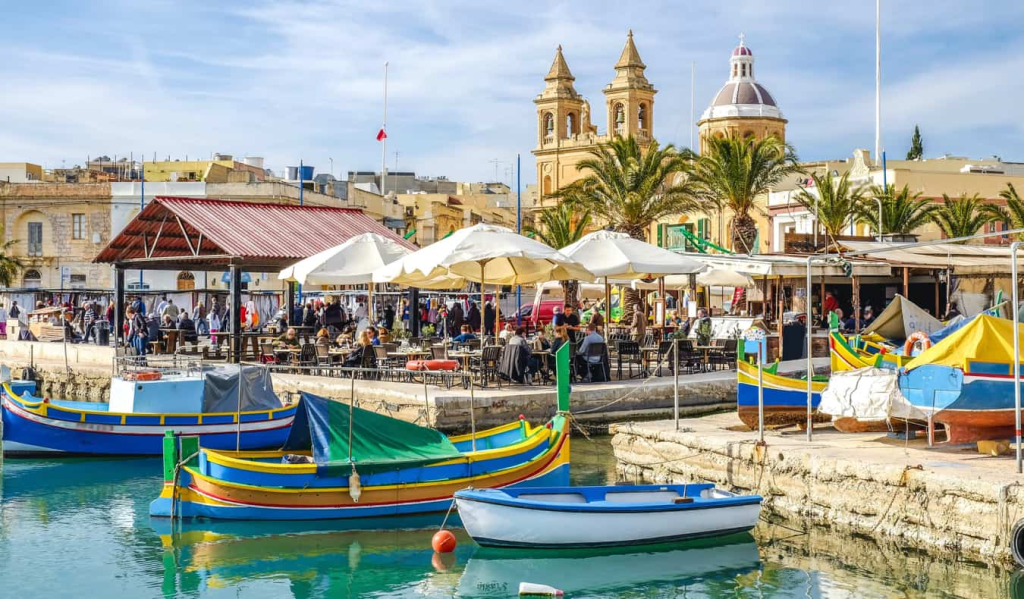
The tourism sector, one of Malta’s vital economic pillars, seemed to be glaringly overlooked. The Malta Hotels and Restaurant Association (MHRA) pointed out the absence of initiatives concerning tourism and called for a revision in the tourism policy.
In Summation
While Caruana’s 2024 budget has its share of supporters, especially for its populist stance on energy subsidies, the overriding sentiment is one of missed opportunities. Be it in terms of providing a future vision, addressing the concerns of SMEs, appeasing the unions, focusing on education, or backing tourism – there are many boxes left unticked.

Written by: Gianluca Vella
 Bird's Eye View