
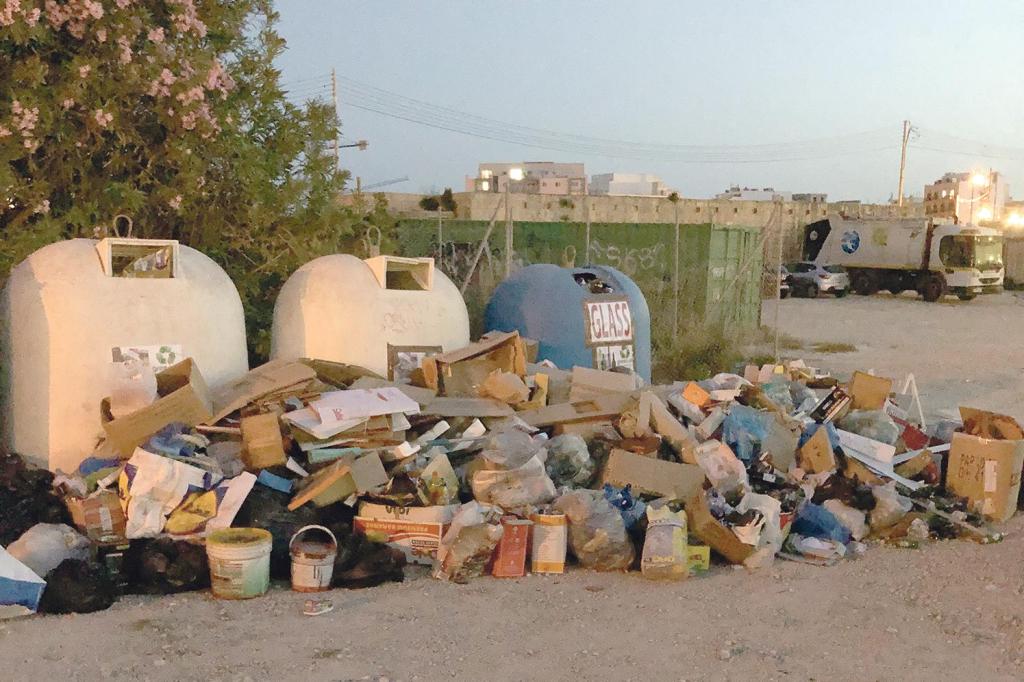
Since time immemorial, a consistently growing percentage of the country appears to resemble a dump, with apartment complexes and commercial buildings competing to be the blandest and most uninspiring buildings in Europe.
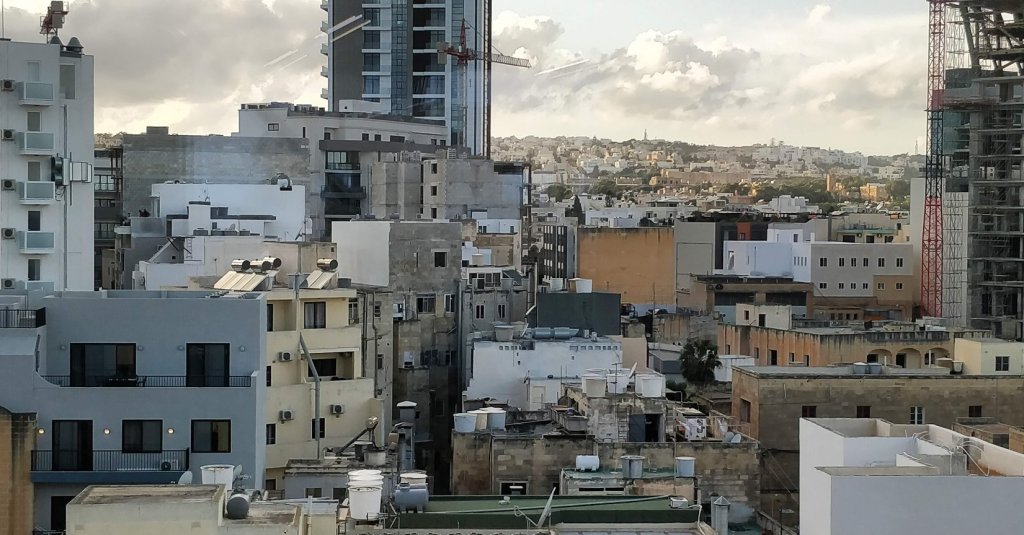
The consequence of this relentless construction and the subsequent influx of tenants is an incessant production of rubbish, which all needs to find its way to an actual dump. But where will we dump it all? Malta has always found it difficult to answer this question, and it’s only getting worse, with the budget for next year only mentioning waste as a passing note while describing the ECOHIVE project that’s always ‘a few years away’. All while present landfills keep getting overused to the point of criticality.
Some basic history
Ever since the Knights inhabited the Maltese islands 500 years ago, Malta has continuously battled to maintain its ever-increasing population. With few resources available to sustain our bare needs – such as freshwater, crop stability, and adequate land area – one government after another found it more and more challenging to fix the heightening issues as the populace grew and local produce dwindled.
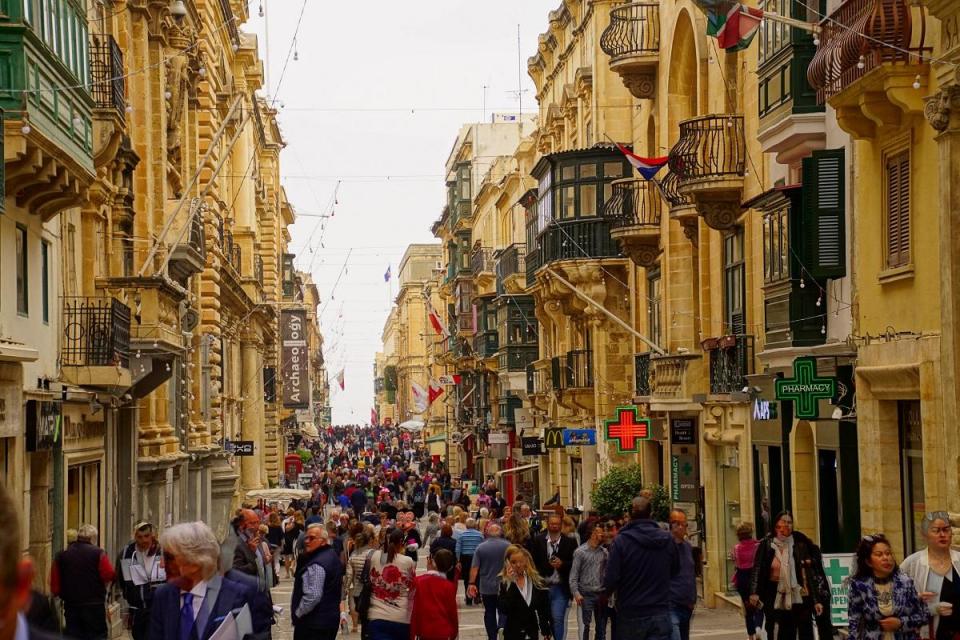
While many of our shortcomings have been somewhat handled through the importation of goods, such as 70% of our foodstuffs, or the creation of multi-million systems such as the Reverse-Osmosis plants from which we get 57% of our water, a problem which has never been ‘solved’, or properly tackled is our rubbish.
This extraordinarily high amount of waste has obviously led us to various issues when trying to get rid of it all. In the past, simply dumping our trash into disused quarries did the trick, and when one filled up, another one close by would surely be found.
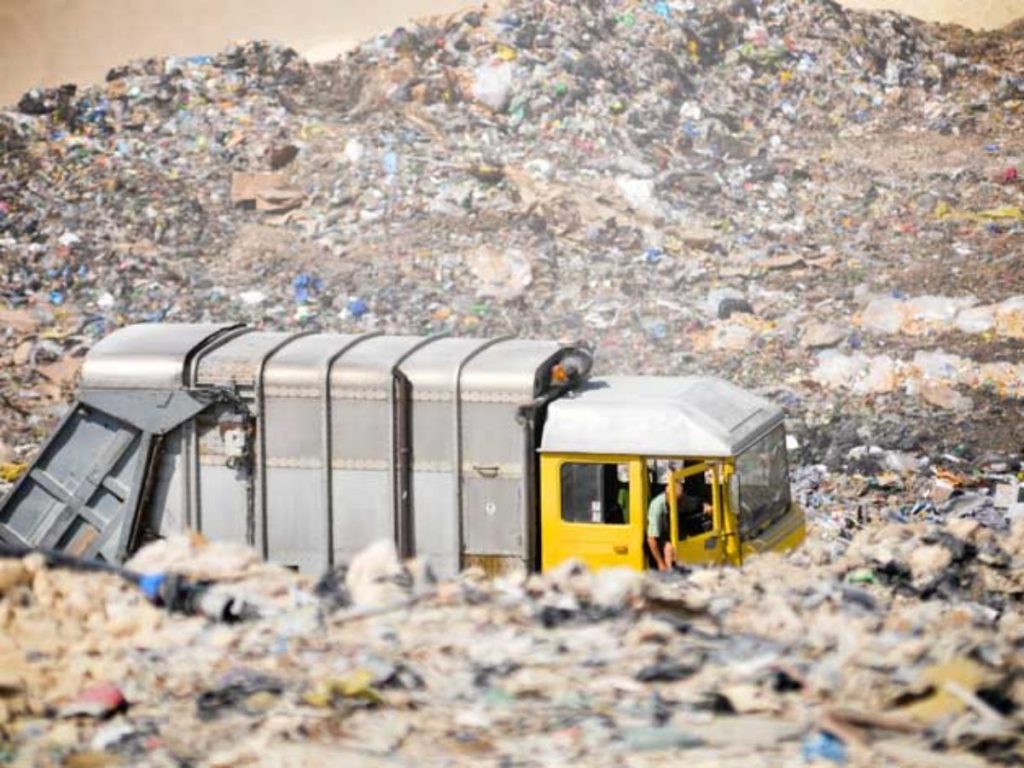
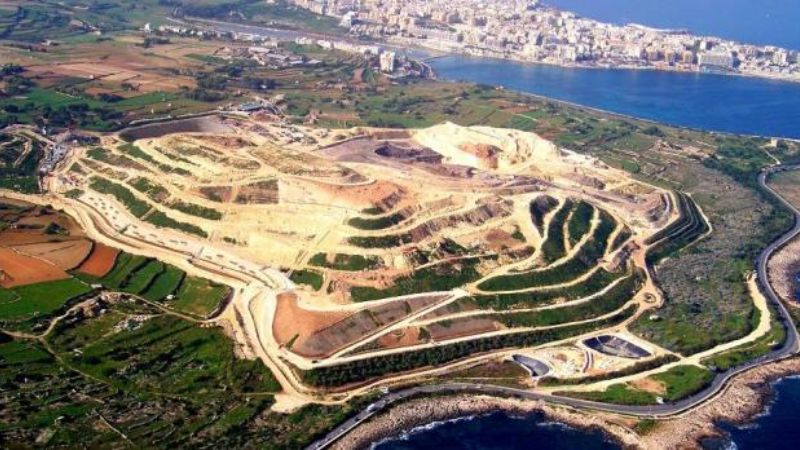
In 1977, the area of Magħtab began receiving electronic and construction waste from the many residential buildings built by the government at the time. It however quickly started receiving every sort of waste from the surrounding localities, growing quickly, especially after it became the sole ‘official’ dumping ground in Malta following the closure of Wied Fulija in 1996. The landfill continued to expand, with the site occupying a surface area of over 600,000m2 by the early 2000s (this is around ¾ of the land area of Valletta). But even filling up an entire valley wasn’t enough, it continued to grow vertically as well, up to 60m by 2004. Magħtab is now so comically high, it is still quite commonly referred to as ‘Mount Magħtab’.
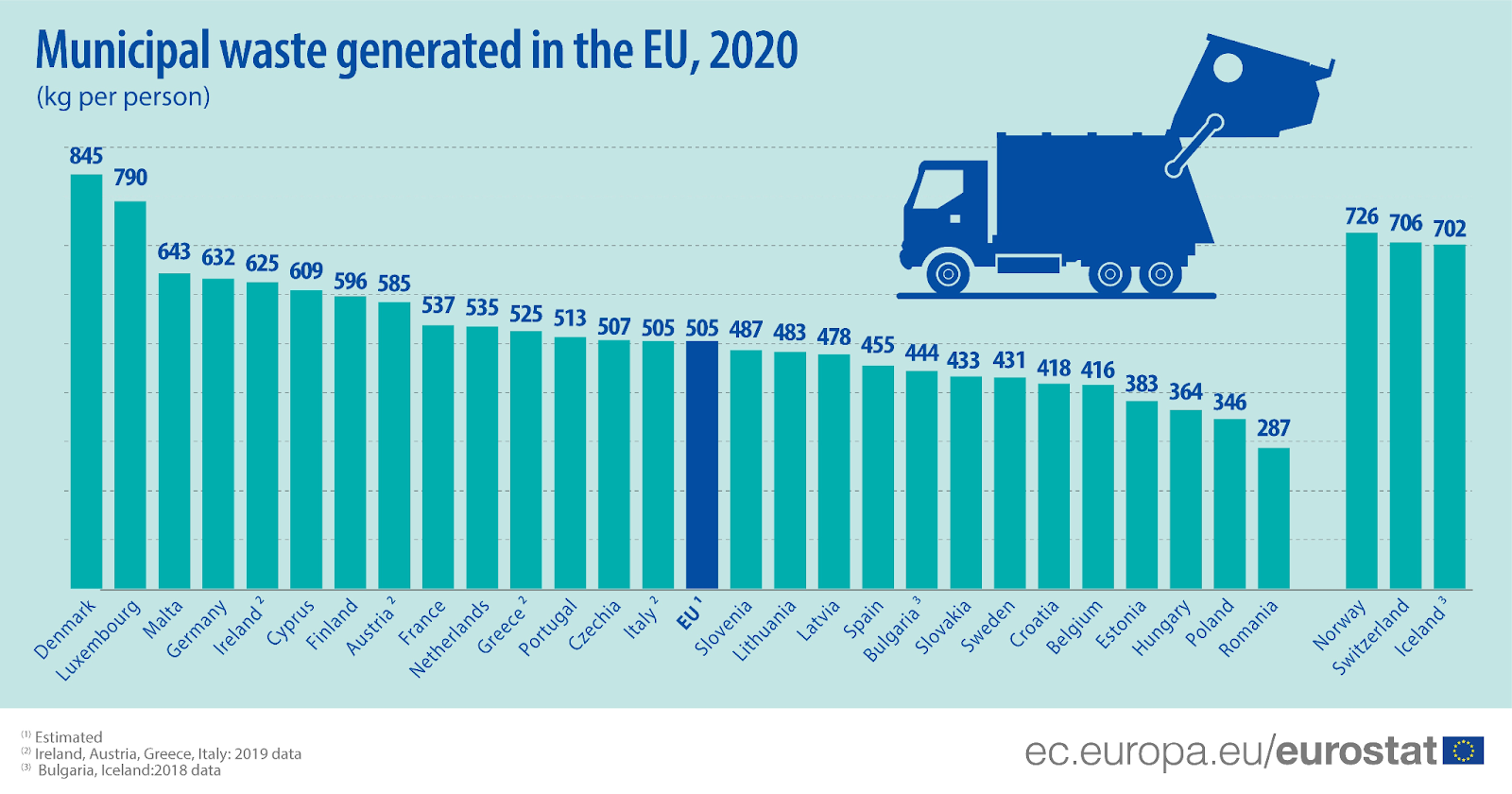
Malta produces around 6.8 million kgs of waste daily. This makes us the third highest generators of municipal waste per capita in the European Union.
The situation was obviously unsustainable, and thus, the closure of this landfill was one of the policies that the Maltese government was required to implement before its accession into the EU.
Given that Malta still did not have any better methods of getting rid of its waste, the government had the idea of creating ‘engineered landfills’ (“engineered” because unlike normal dumps contain several protective layers around the rubbish to keep the surrounding environment clean from contamination). Two of these were built in the Magħtab area – the temporary Żwejra landfill and the more large-scale Għallis landfill. Both dumps were meant to be a temporary solution for non-hazardous waste until other methods, such as recycling and waste incineration, were implemented elsewhere.
While the Għallis landfill was meant to have a lifespan of 20 years at most, the amount of rubbish produced has increased to unexpected levels, to the point where the situation was described “as the most significant waste management issue at the national level” more than 4 years ago.
What’s going on now?
19 years have passed, and yet the country still heavily relies on this landfill. While the land area impacted by this site is significantly smaller than Magħtab due to the pre-planning involved, its limited space still creates massive problems, only continuing to function through extensions provided to the site, which were meant to last till last year.
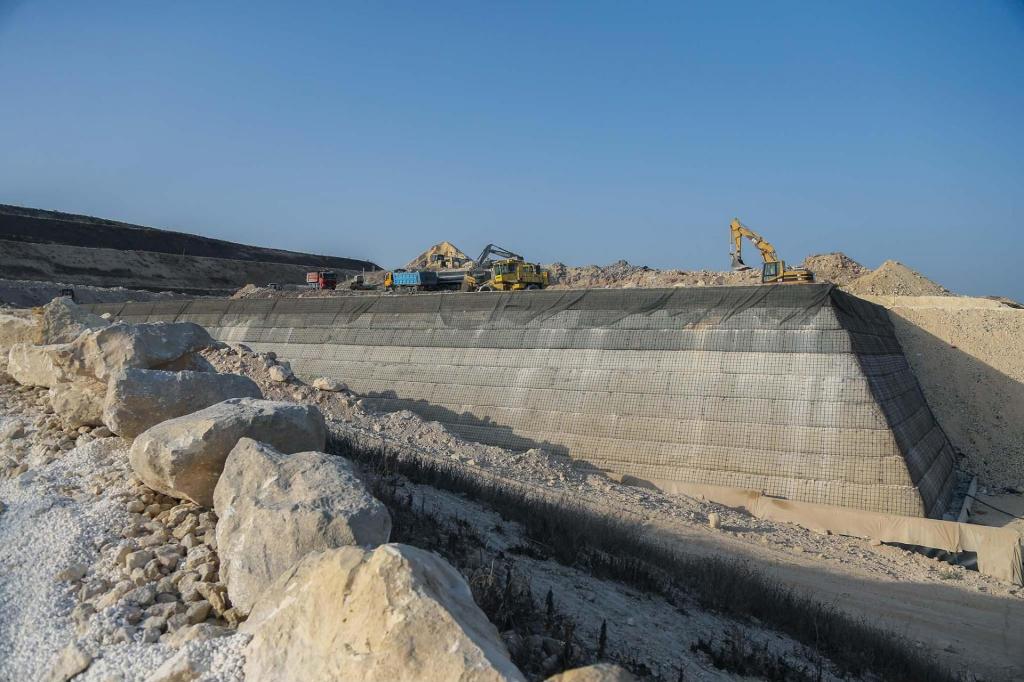
Recently, the Planning Authority approved yet another plan for extending the site vertically, in an attempt to win two more years until the site can no longer be expanded without greatly impacting the surrounding lands.
But why is the landfill filling up so quickly?
For starters, the growing population and flourishing tourism sector in the last decade created a situation where more waste was being produced than previously anticipated. This, coupled with the complete procrastination from governments to get the waste-to-energy incineration plant running, as well as the extremely low recycling rate, which stands at just 15% of the refuse generated, has led to a situation where Malta is fighting yearly to find space to put all its waste.
Just like in 2004, trying to find space to store all this waste has once again become unsustainable, and the European Union is taking notice of the dire situation. Somehow, Malta needs to start reusing or recycling 55% of its municipal waste by 2025 – a 350% increase from what we were achieving last year.
With previous polluting practices no longer being an option, new plants are being built and expanded to take over the landfills’ overuse.
What alternatives are currently in use?
First of all, rubbish from our sister islands of Gozo and Comino is now being dispensed at the Tal-Kus Facility – a Materials Recovery and Waste Transfer Facility that sorts, compacts, and transports Gozo’s trash back to Malta.
Five civic amenity sites exist in Malta which accept bulky waste, construction and garden waste, electronics, and hazardous waste. All rubbish sent to these sites is then exported for treatment, treated locally, reused for other purposes or recycled.
The Sant’ Antnin Mechanical and Biological Treatment plant is used to treat all the organic waste (the one picked up in the small grey bags), which processes the waste and uses bacteria to produce methane gas, which in turn is used as fuel for electricity. The plant has a capacity of 123,000 tonnes per year, with its waste transfer station able to handle 11,800 tonnes more.
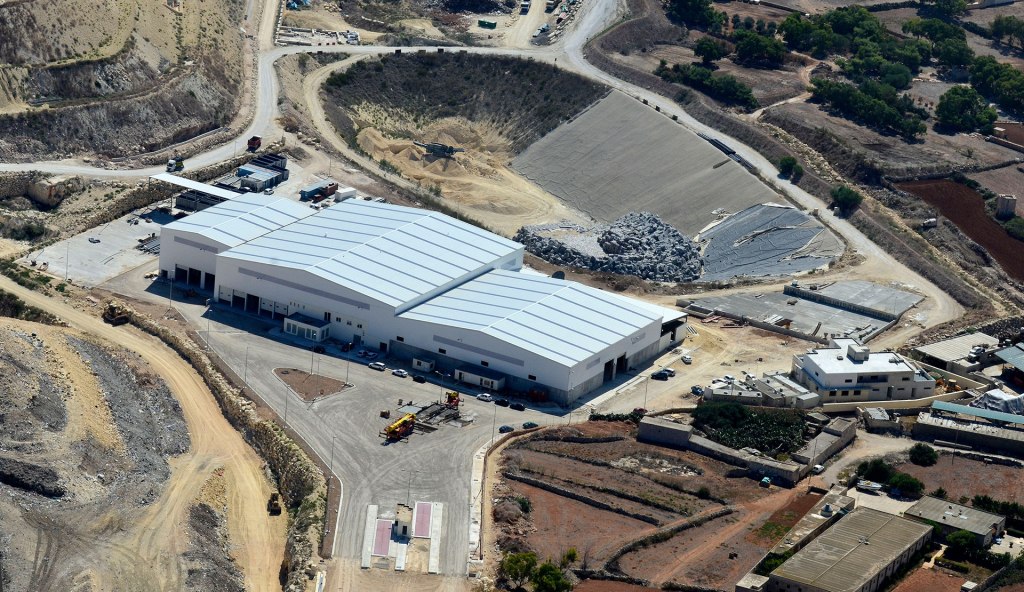
Finally, hazardous rubbish, such as clinical and abattoir waste, has been disposed of at Marsa’s Thermal Treatment since 2007. An autoclave plant was added to the plant in 2015 to treat animal tissue before incineration, the by-product of which is then partially used as fuel for the rest of the plant
What’s being done to solve the growing trash problem?
WasteServ has started the EcoHive project which is investing in four new waste management plants.
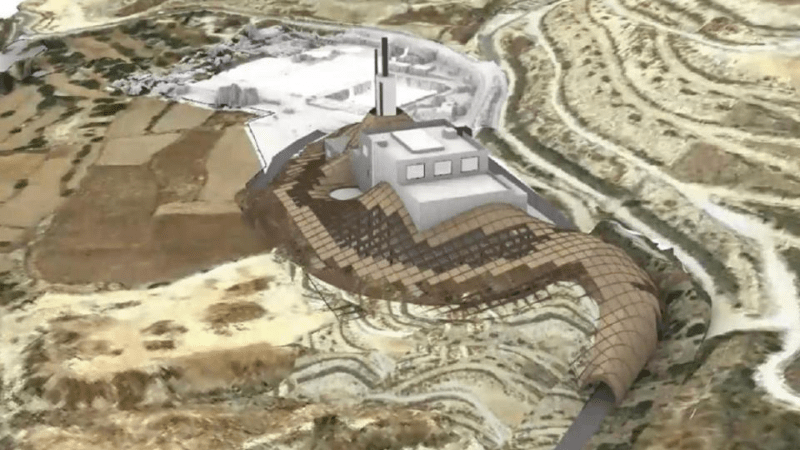
A ‘waste-to-energy’ plant, costing €185 million, will be treating 192,000 tonnes annually, around 40% of non-recyclable waste, and is expected to be in commission by December 2026. The second facility, expected to be working by 2024, will focus on material recovery, which will automatically sort through co-mingled recyclables such as paper, plastic and metal. Bulky waste from open-top skips will be transferred to a wing of this site by 2025, which aims to recover any valuable material that would otherwise have made it to the engineered landfills. An Organic Processing Plant, together with the Sant’ Antnin plant, is expected to process 74,300 tonnes of organic waste annually into bio-gas and agricultural compost. Finally, a new Thermal Treatment Plant is being built to replace the currently working Marsa facility, promising to be more efficient in energy creation through heat than the current system.
Note that every single project is set to probably be commissioned in 2025/2026. This means that Malta has at least 2 more years before all these new treatment plants can alleviate the pressure from the landfills. Considering how these landfills have already been overfilled for the last 4 years, it’s a mystery as to how they will manage to take on all the incoming rubbish until the new treatment plants are up and running.
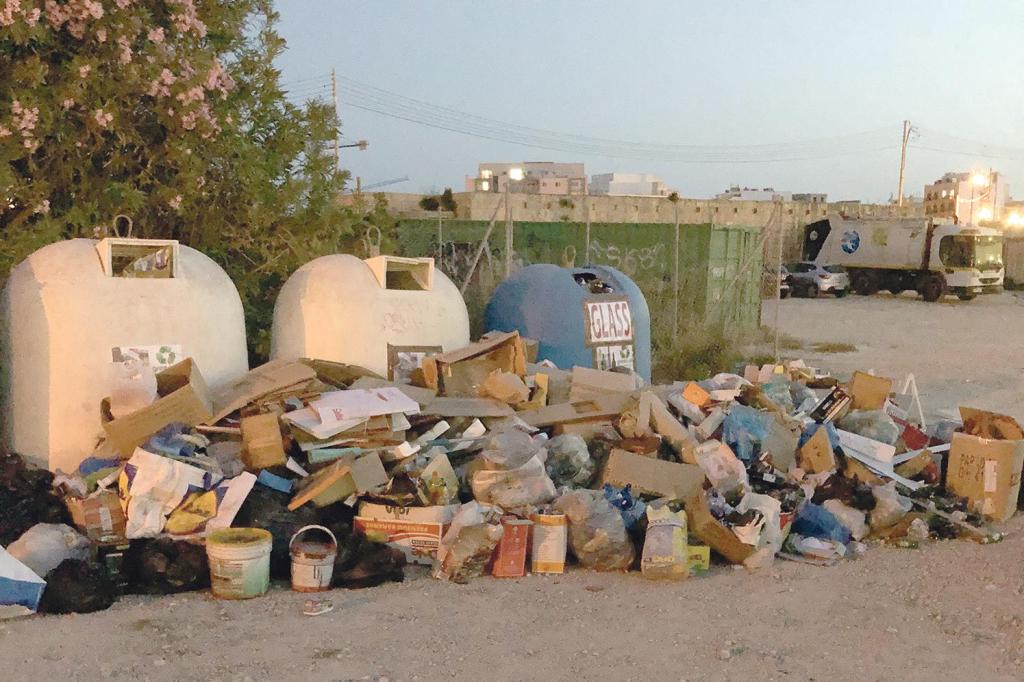
With locals from all across Malta already constantly complaining about rubbish bags being left out in the open to clog needed spaces and pavements, this dire situation is being exacerbatingly mismanaged over time. Our authorities have managed this long-term situation poorly enough for us to continue to be engulfed in our own disgusting waste. The amount of rubbish we produce will only continue to grow. We cannot keep finding new places to bury our rubbish hoping for one more year before the situation becomes truly critical.
Written by: Nathan Portelli
Have an interest, an idea, or an opinion?
Do you have an interest you’d like to tell others about? Or an opinion you’d like to share with the world? From politics to culture and sports, message us if you would like your articles published!
 Bird's Eye View