
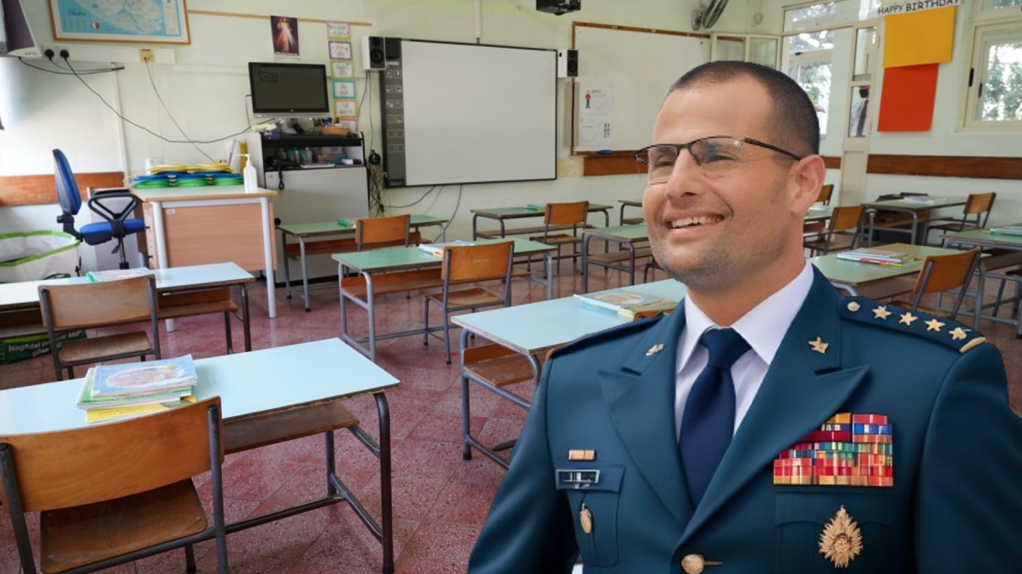
There seems to exist a serious disconnect in the area of education in the Maltese islands, particularly between how the government describes the present situation versus how students, educators, and parents (i.e., everyone else) seem to perceive the state of education in the country.
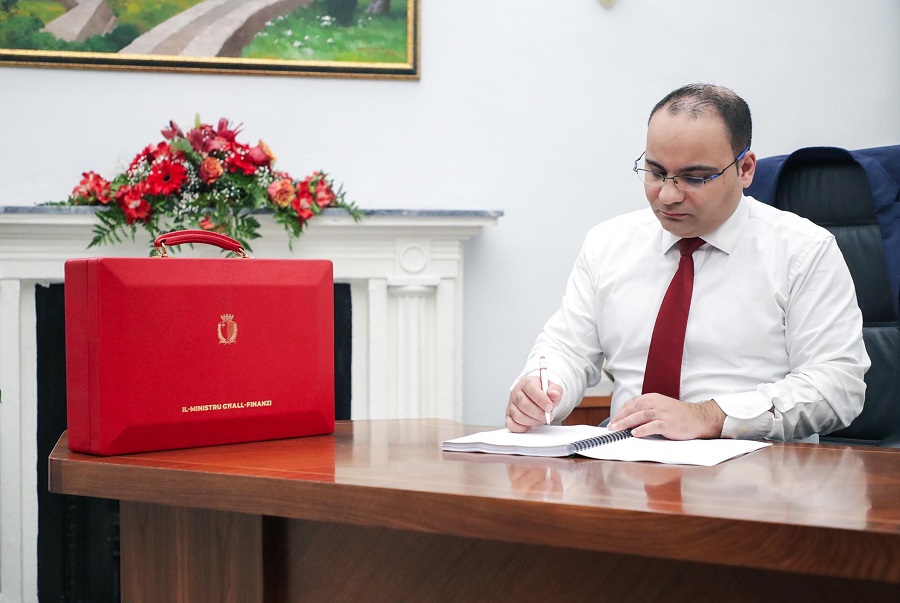
While the government spoke about education in this year’s budget in a very positive light, going as far as to say that “Malta is just” (Malta ġusta) because of its promotions within this sector, other groups had nothing but criticisms to pass for this year’s budget – in general and strictly in terms of education.
Youths and students have long held onto the sentiment that education is not being given the attention it deserves and that students require more than laptops and tablets, or stipend increases to experience better educational services in general, even if these measures were of help.
This notion was widely exemplified recently following last month’s Budget by different youth and student stakeholders.
Youths’ and Students’ Reactions to Budget 2024
Following Budget 2024 last month, the University of Malta’s student council (KSU) wrote that,
“students and youth have been once more overlooked and ignored”.
They were also vocal that the only proposals pertaining to education in the recent Budget formed part of the already announced National Education Strategy (2024-2030), and therefore, were of “no news”.
Meanwhile, the National Youth Council (KNŻ) noted that the 2024 Budget lacked fell short to tackle “the need for enhanced upskilling efforts”. KNŻ stated that more comprehensive measures are necessary than simply establishing a National Skills Council, especially in light of the European Year of Skills being this year, culminating through Lifelong Learning Week, beginning today. Positively, KNŻ welcomed the investments towards STEM research and innovation.
They also expressed concern following another year where Arts & Humanities courses continued to be excluded from being designated as prescribed courses.
“This omission serves as a disincentive for students, discouraging them from pursuing subjects vital to societal development.”
Both councils referenced this year’s stipend increases; while KSU embraced this €64 annual add-on, KNŻ criticized that this additional €64 to the annual stipend is too little to aid financially challenged students without the implementation of further initiatives to help students progress through levels of education without their financials holding them back.
KNŻ said,
“the budget lacks sufficient support for students grappling with rising financial demands due to inflation.”

Furthermore, criticisms were also received by KSU and the Malta Health Students’ Association (MHSA) about the omission of the stalled medical school development by Campus Hub near the University Campus. Announced in 2019 to ensure that the Maltese islands would have “two of the best facilities in Europe”, the medical school is still in shell form, despite its project deadline being scheduled for 11 months ago, to be up and running by December 2022.
These show clear contradictions to a key line within the Budget 2024 conclusion:
“More investment in education, in health and yes, above all in social issues because we are not just percentages and figures, but we want to see that those least among us who can afford it continue to be given the most support.”
The ramifications of lesser University funding
The lack of prioritization towards the needs of the education sector is unfortunately not a new theme that has just developed over the last month. Last year, in September 2022, students were outraged that the University of Malta’s (UM) budget was suddenly cut by a whopping €1.1 million. According to KSU’s follow-up statement, this budget deduction was done through a decision made by the Ministry for Finance.
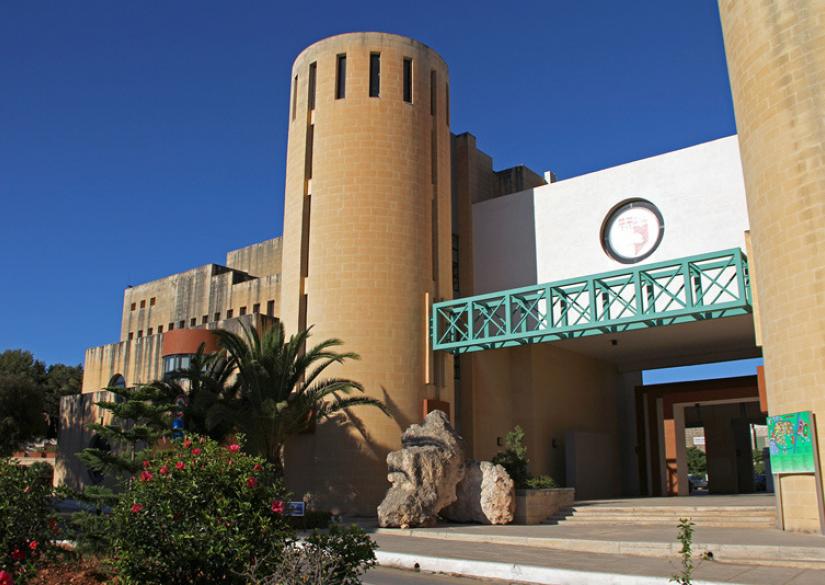
During their 2022 meeting with Minister Grima on this, KSU “pointed out a clear issue of mismanagement and miscommunication between the relevant entities”. The Council had cited that such budget cuts will only aggravate the underfunding of “essential services” like research, the Health and Wellness Centre, library opening hours, and general student well-being.
Just last month, published global university rankings saw the University of Malta drop full ranking brackets within the world’s top 1000 universities across various fields; this study, by the UK’s Times Higher Education (THE), ranks over 1000 universities against each other by different subjects.
UM worsened from the median 501-600 bracket to the 601-800 bracket within the clinical and health field and the field of computer science, as reported by the Times of Malta. A ranking drop was also observed for the University’s Arts & Humanities department. There was no change to the University’s annual ranking for education (stayed in the 401-500 category). Positively, UM gained recognition for the subjects of economics and psychology, putting UM within the top 500 “around the average ranked school”.
Today’s 1-day teachers’ strike
Following an impasse between the government and educators after “failures to reach an agreement for an improved collective agreement”, all teachers in the Maltese islands within all church schools and all state schools held a single-day strike today. The Malta Union of Teachers (MUT) stuck its neck out for all educators within these institutions in today’s action, including those not part of the union.
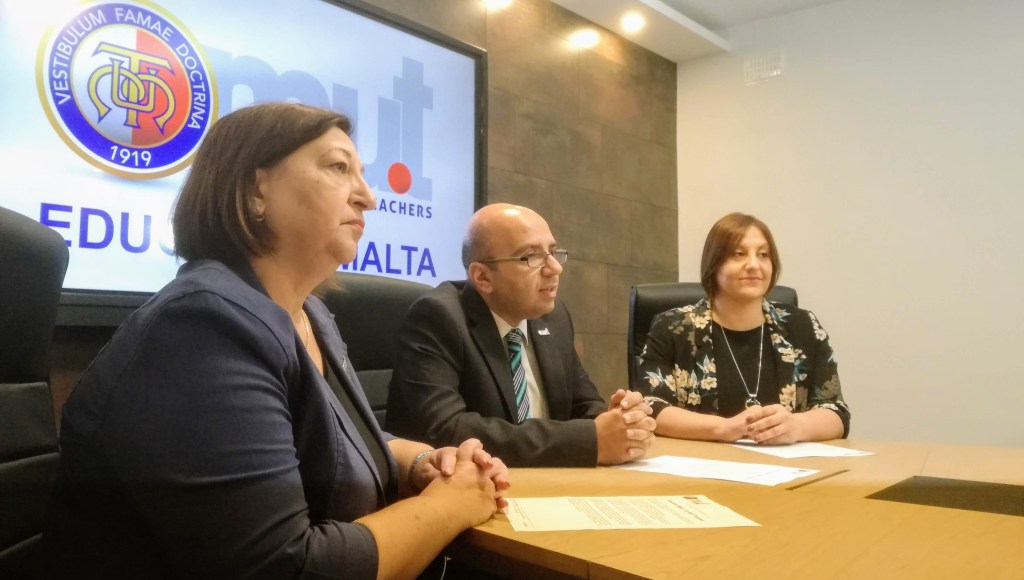
Given the totality of professionals involved in this strike, Education Minister Clifton Grima’s announcement that parents needn’t worry about their children’s school attendance today came as no surprise. Reportedly, 97% of all teachers participated in this strike.
As this situation developed over the weekend, Prime Minister Robert Abela promised “substantial pay increases to educators”, though not before lamenting that the strike – which he preferred to label as “militant action” – will not get anywhere. The rhetoric behind labelling this MUT directive as “militant action” is quite concerning; society has been vocal about the underappreciation of teachers for quite some time. Going as far back in recent memory as the COVID-19 pandemic, how have our children’s teachers and LSEs been thanked/rewarded for their hard work, despite social distancing and (comparatively noninteractive) online classes? Is politicizing this ordeal and villainizing educators necessary?
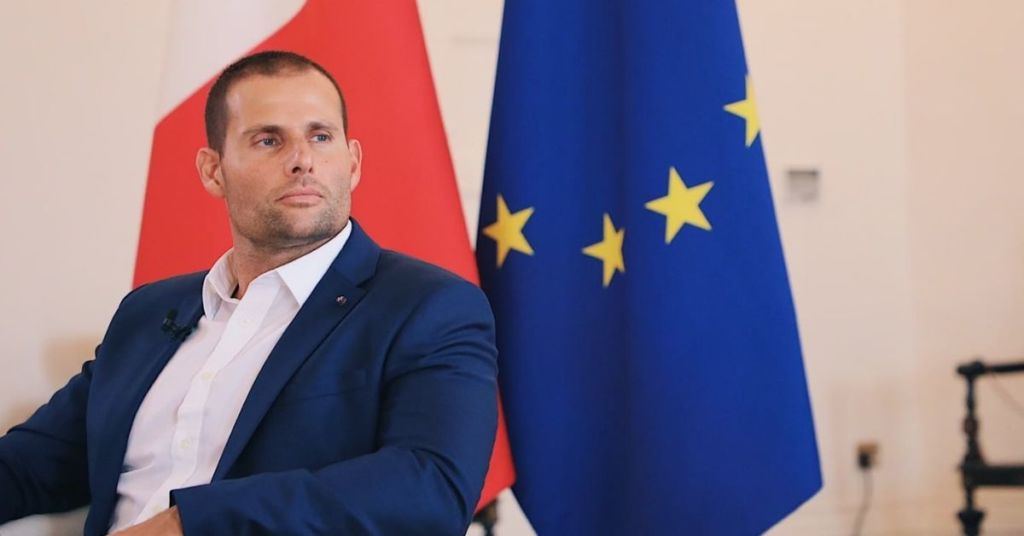
“Every time we sit at the negotiating table, we see that we increase the conditions of the workers, in a healthy way but that is also sustainable. This is what ‘Just Malta’ means.”
Extracted from the Budget 2024 document
European Parliament President Roberta Metsola condemned Prime Minister Abela regarding his actions related to today through a Facebook post, marking today as a “stain in the history of education in our country”.
Metsola described that “Instead of finding a solution, the Government closed the door in the face of educators” and that the State resorted to bad-mouthing them over keeping their word with them.
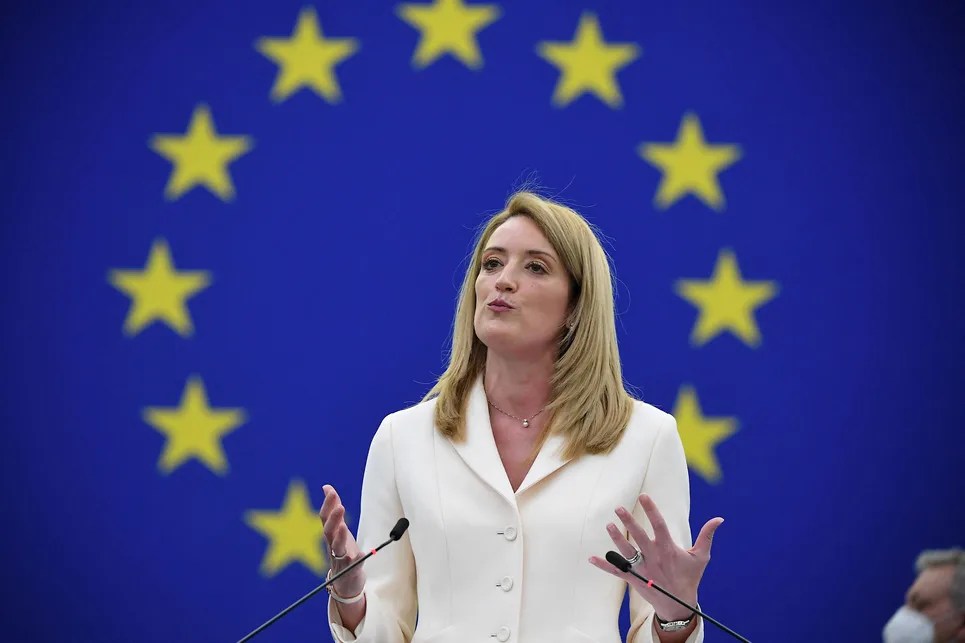
Metsola highlighted this situation from the government’s end as “nothing less than bullying from the Prime Minister towards thousands of teachers”. She concluded her online statement by calling for talks to resume with goodwill, “to fulfil what it promised, to invest in education and offer a future appropriate for teachers in our country.”
It is common knowledge that teachers and learning assistants, especially for young pupils, are vital in the character formation of our youngest learning generations. The adults and elderly of today would be a far cry from the persons we are today without the influence of the many educators who were given our classrooms. The government can boast about its strong proposals all it likes; educators demand more respect than this.
Our education system cannot expect to improve if the foundational actors running it continue depleting in numbers as they continue to work underappreciated.

Written by: Kyle Patrick Camilleri
Have an interest, an idea, or an opinion?
Do you have an interest you’d like to tell others about? Or an opinion you’d like to share with the world? From politics to culture and sports, message us if you would like your articles published!
 Bird's Eye View