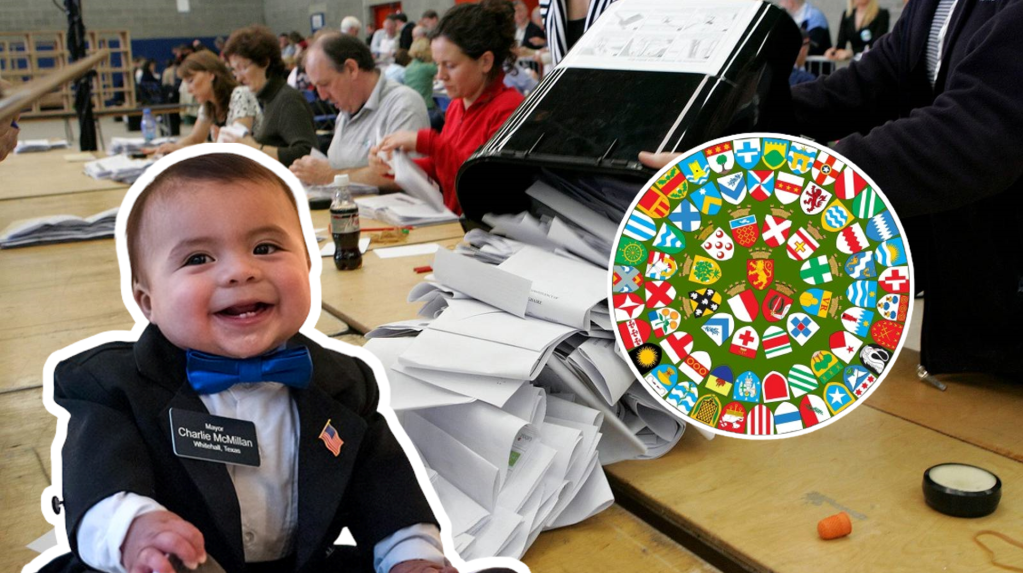
Back when we had calls for 16-year-olds to be given the right to vote, decisions were already being made on behalf of people who didn’t even know what was happening. Even then, a large portion of youth went unheard as a National Youth Council claiming to represent them steamrolled its way to parliament in a desperate effort to take ownership of what it saw as historic progress.
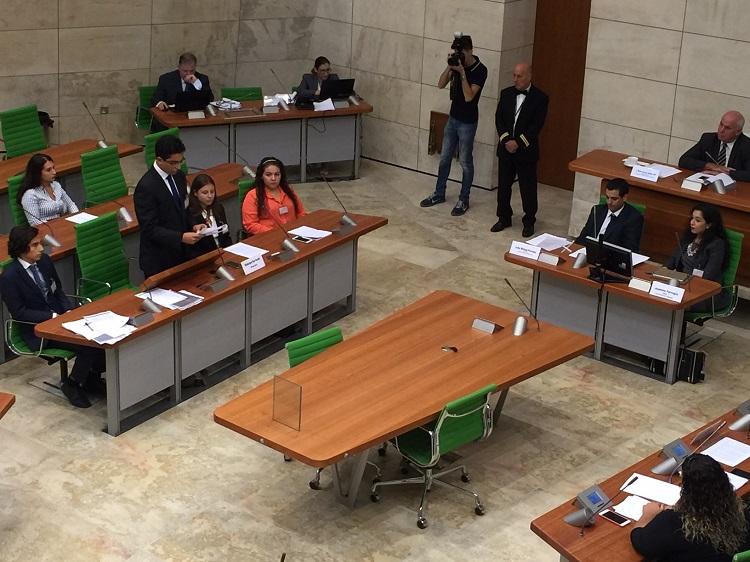
This already was and still is in doubt – but the arguments ‘for’ do end up stacking pretty well compared to the arguments against. After all, giving a voice to next year’s adults is a positive democratic extension to citizens who have reached the end of their ‘state-mandated handholding’ educational term, and are now expected to start stepping into the real world.
But there is an unimpeachable rift between having a say on who takes the wheel and being given the wheel, pedals, and keys.
This, then, is a vital crossroads for youth activists, effectively separating the regretfully aware from the dangerously flippant. And governments have become exceptionally fluent at the bleeding edge of ‘social washing’. Like Greenwashing places the frustrated environmentalist in the existential quandary of arguing against frivolous but ultimately non-zero initiatives – ‘Youth washing’ puts us in a position where we as young activists need to self-regulate, if in the absence of a legislator who does not have the requisite maturity to do so.
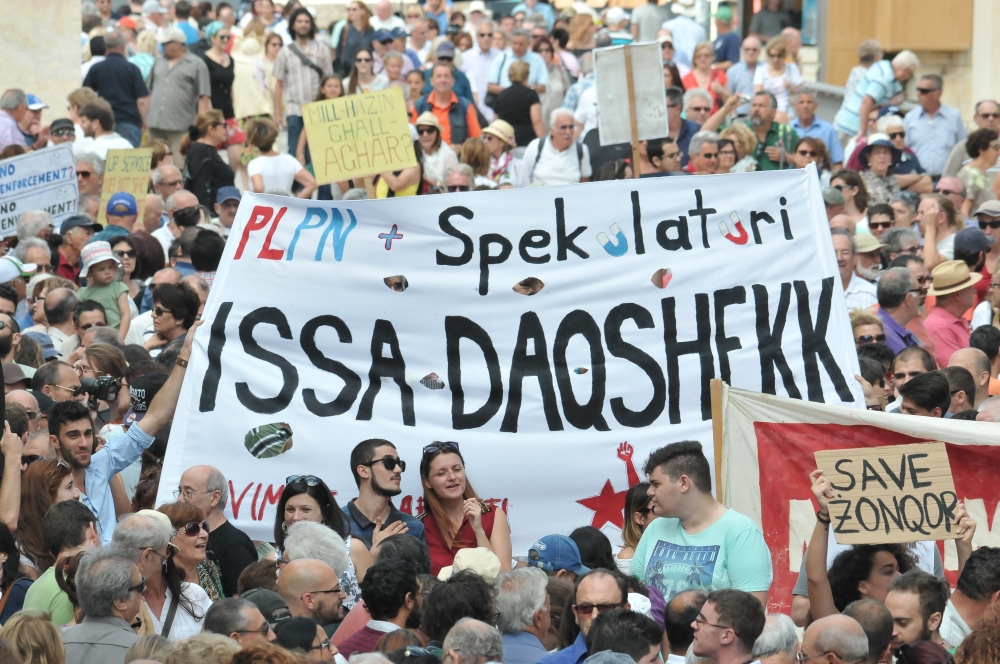
And this is at first a seemingly favourable argument for the most recent 16&Elected bill – why stop adolescents from administering the country when the adults aren’t doing a good job by any means of the imagination themselves? This is the fulcrum we need to prove ourselves on.
Do the Maltese youth have the strength to rise above the legislator’s paroxysms of bulldozing youth-washed legislation? Can we at the very least agree that a 16-year-old in our Malta is hardly fit and equipped to administer their own lives – let alone a village, town or city? Of course not.
It would be easy for us to start by saying ‘Well obviously a 16-year-old can’t reasonably be expected to do a good job running a local council’. But if you’ve had anything north of two political interactions in your life, you’d know that nothing is obvious. And to a certain extent, rightly so – can we back up the claim that 16-year-olds cannot adequately run a local council?
Pointing out irresponsible things 16-year-olds do is the more prevalent attempt – but this falls short in the face of a crop of middle-aged politicians who have razed any positive connotation our nation retained in the international sphere, who have and continue to rob their people of hundreds of millions, who have seen investigative journalists murdered and laughed, who have traded in drivers licenses for a single vote – what silly 16 year old has done worse?
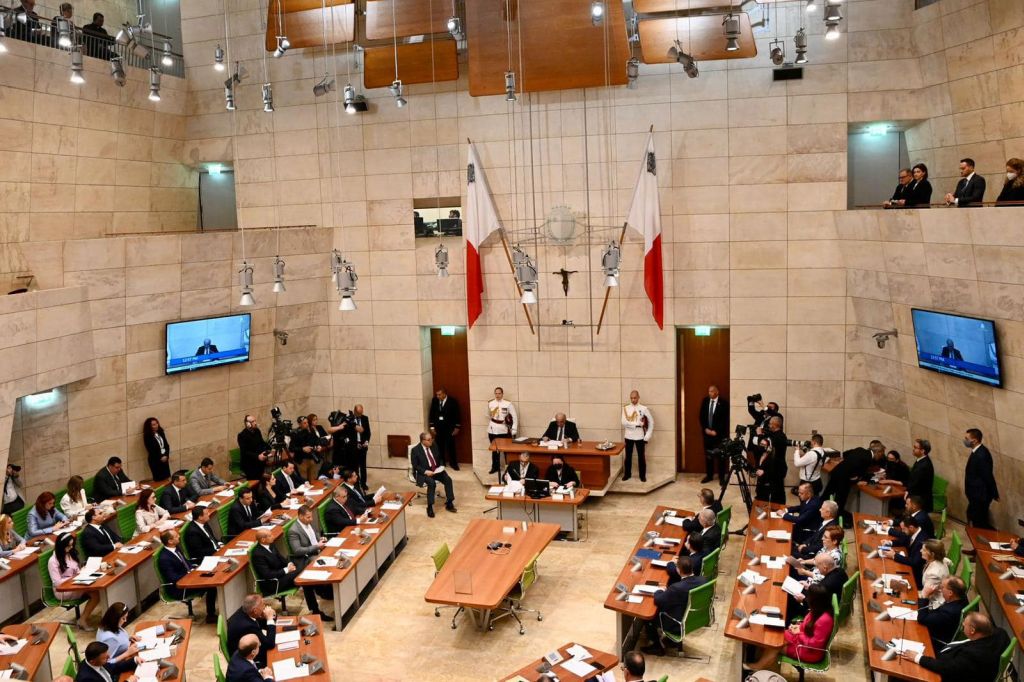
My issue isn’t with the 16-year-olds who believe they can, nor is it with the voter who opts to trust them. Instead, the big question is, why has the legislator taken this step?
No, really, why. If you ask Minister Owen Bonnici, he will tell you that
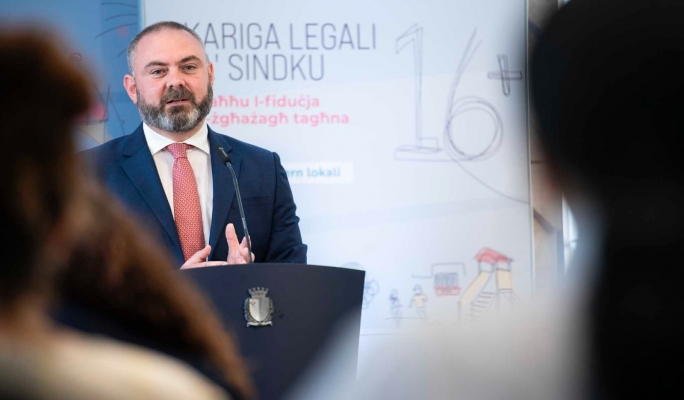
This sounds eerily similar to what that intelligent and capable corps of youth suggested in the form of civic education implementation in schools. Let’s see if we can edit the question while copying the same answer;
Why do you think civic education is important in our schools?
‘Embracing the potential of younger generations is a progressive step towards inclusive governance, which recognises the intelligence and capability of today’s youth while fostering a sense of responsibility and civic commitment from an early age’.
One problem – refreshing our approach to civic education can hardly bear a ‘groundbreaking’ headline. This on the other hand can, and how. And it also has another, very convenient side effect.
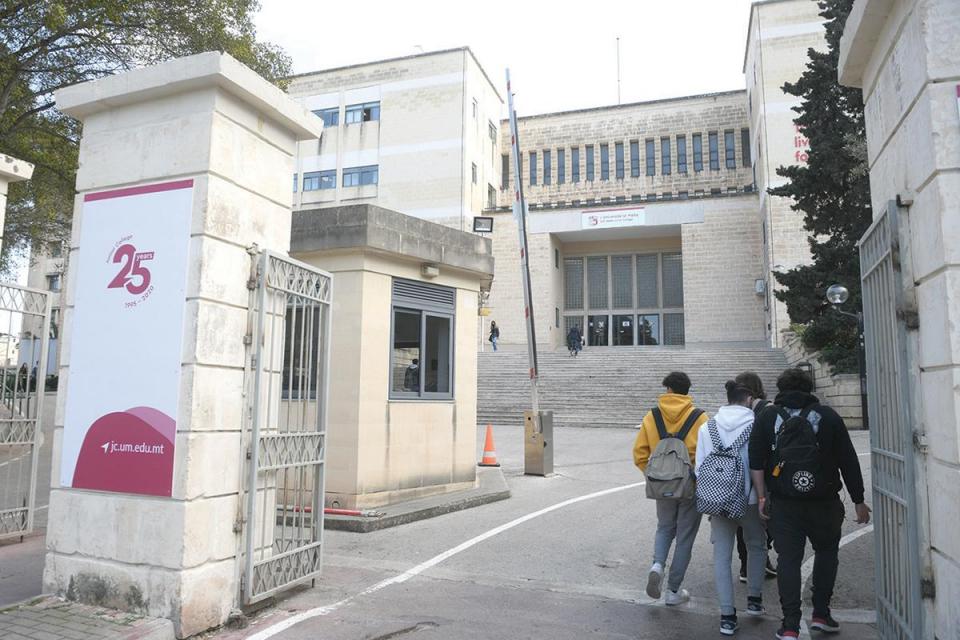
The mission to wipe out the Maltese Local Council
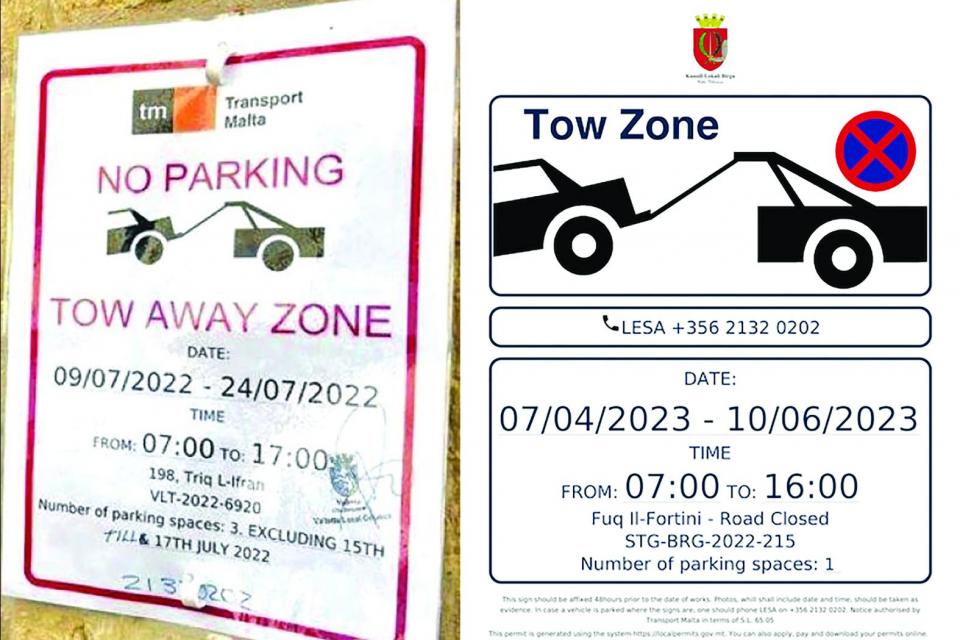
Local councils have been bang in the middle of our parliament’s line of fire for as long as they’ve been established. Year after year more power is centralised and year after year local councils are crippled and demobilised to the extent that they’ve been largely rendered a no-parking sign depot – Mr. Minister, your growing powers have sapped every drop of energy from our local councils, not the lack of minors.
And by infantilising the local council as a ‘breeding ground’ where the inexperienced can do their learning before they move on to real ‘governance’, the minister gets to feed minions directly into the political system, unarmed by any form of independent training beforehand, to delegitimise the local council under the guise of groundbreaking progression, and it follows, to get more centralised powers that ‘would not be safe under the administration of people who aren’t even seen as adults in the eyes of the law’. This last part hasn’t happened yet, but I’ll bet a penny or two.
Where should 16-year-olds be then?
To me, the answer could not be clearer – youths should be in an activist environment that allows them to exploit their inexperience. In administration, inexperience is a bane. It makes you incompetent, unreliable, a liability. In the activist sphere, inexperience is the golden snitch, a license to say whatever you think and do whatever you can and be the person future you will cringe at, a time when you can be a hard conservative one week and a full-blown Marxist the next, a democracy enjoyer in the morning and a technocrat in the evening, listening to belting nationalists in the shower and sharing borderless promoters by the time you’ve changed.
When you’re done with that stage of your progression towards becoming a real active citizen capable of administering – you can join one of the multitudes of youth and student organisations we have and do real work, get a taste of real accountability with real deadlines and real responsibilities.
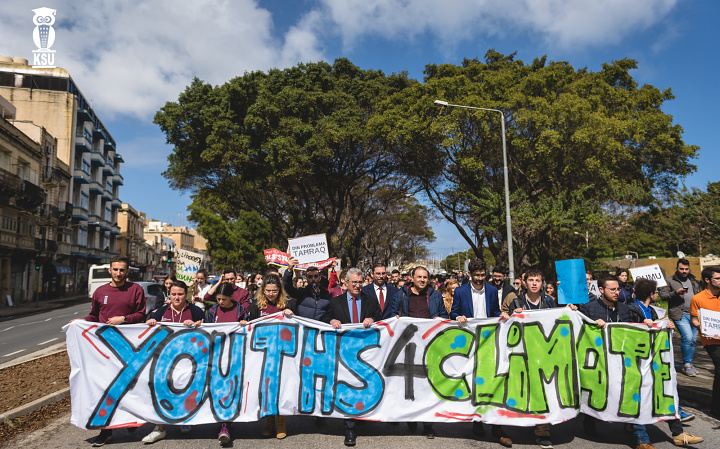
When you decide you want to start arming yourself with more politics-oriented skills, you can start entering our simulator competitions, policy subcommittees, public speaking workshops and moot parliamentary sessions. Each one will reveal a different aspect of yourself and teach you about the person you are. Now that you’ve learnt your strengths and weaknesses in a safe environment, you can work on overcoming and exploiting them. You will learn to work under pressure and stand up for yourself and find your voice and watch it get bigger and stronger.
This is the version of you that Mr. Minister does not want in his local councils – someone who has trained and equipped themselves before entering the colosseum of Maltese politics. Someone who has satiated their thirst for the thrill of competing and self-proving and can no longer be bogged down and spat out by a system made to flatten your spirit and the slightest creak. Someone who stands a far better chance at knowing when to learn, when to ignore, and when to reject.
This version of today’s youth would truly be groundbreaking in our ailing local councils – instead, parliament will sooner think of groundbreaking ways to keep us stupid and evermore dependent on Daddy Ministru.
The views expressed in this article are those of the author/s and do not necessarily represent a position or perspective of this or any organisation

Written by: Gianluca Vella
Have an interest, an idea, or an opinion?
Do you have an interest you’d like to tell others about? Or an opinion you’d like to share with the world? From politics to culture and sports, message us if you would like your articles published!
Follow us through our newsletter.
You will only receive an email when we post a new article.
 Bird's Eye View