

In Malta, the culture of shaming has propagated througdehout. It’s so common that we don’t even notice it – but we all feel its symptoms.
Why do I say this? I recently picked up the book ‘Daring Greatly‘ by Dr. Brené Brown. Her research into shame and the findings which she talks about in her book, have made me realise that we live in a ‘shame-prone culture’.
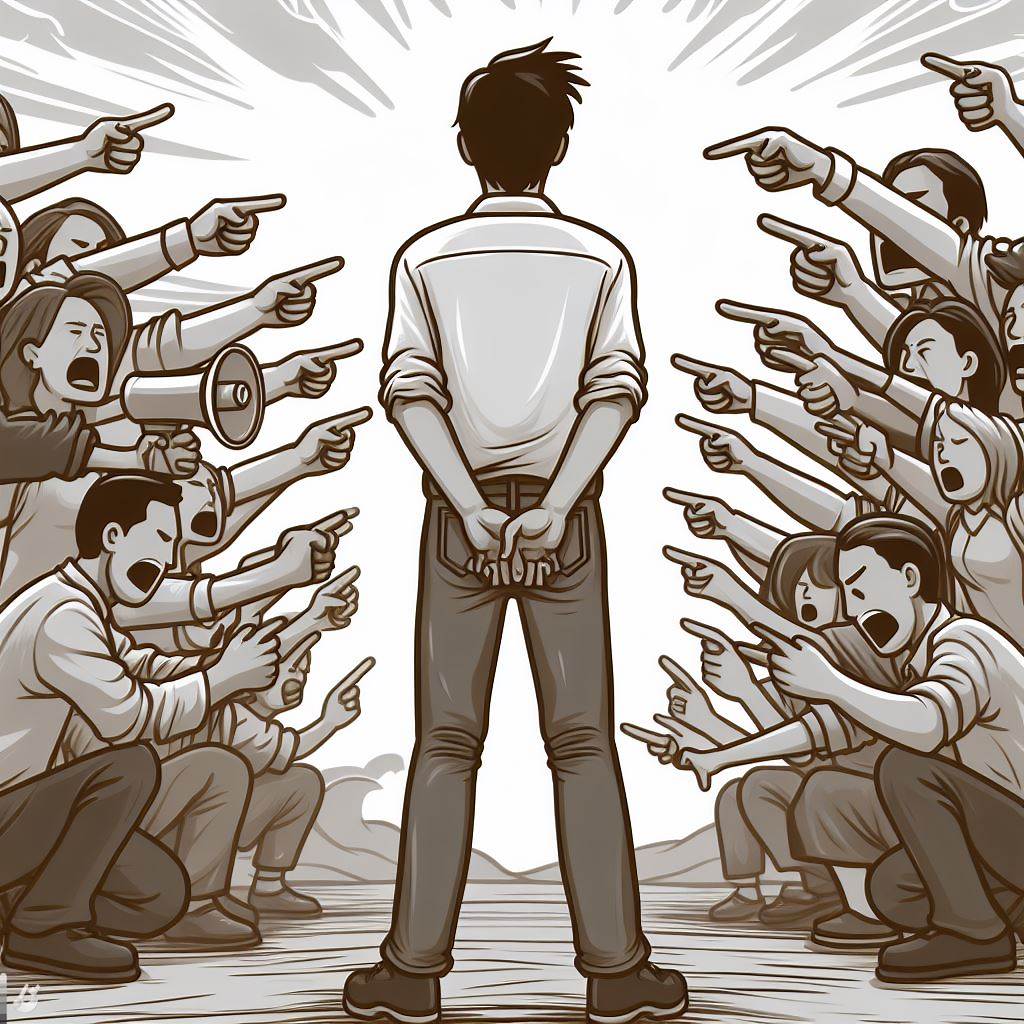
Have you ever been called out by a teacher because you’re too slow? Or your parents because you’re too fat? Maybe received criticism such as ‘you’re not pretty enough’ or ‘you should act more feminine (or masculine)’?
Is this a good means of giving advice? Think again. That’s shame.
According to Merriam-Webster , shame is ‘a painful emotion caused by consciousness of guilt, shortcoming, or impropriety.’ Shame IS destructive and yet, we barely notice it. We cannot downplay the effects of shame, especially given that it is ‘highly correlated with addiction, violence, aggression, depression, eating disorders, and bullying’. Being the subject of shaming can leave us subconsciously putting ourselves down all the time, like a song that just won’t get out of your head.
Shaming behaviours – and the resulting shame – seem to be part and parcel of our culture somehow, particularly in families, work and schools. You might be familiar with some of these experiences:
In a family setting, the following are examples of shame:
- A child that is struggling to study and/or do the homework and being called by family members ‘stupid’, ‘a hopeless case’, ‘lazy’ etc.
- When children are unable to eat food that they don’t like and are reminded ‘that children in Africa don’t have food’, they are ‘stupid’ for not eating the food, etc.
- When the parent compares one sibling to the other ‘your brother actually studies, unlike you…’

Hallowell & Ratey (2021), known for their work in the area of psychiatry, state that
“shame is the most disabling learning disability”.
Indeed, in a school setting, the following are examples of shame:
- Children who are not following teachers’ orders are labelled as ‘unruly’, and ‘problematic’ by their teachers
- Teachers that call out students in front of other classmates ‘slow’, for taking a longer time to finish tasks compared to other peers
In a work setting, the following are examples of shame:
- An employee who is struggling to meet the job deadlines is labelled ‘slow’ and threatened with losing his job
- A staff member that is vulnerable with the senior about her needs to be able to do her job better, is told that she’s ‘making up excuses’
- A work culture where staff are humiliated in front of other staff by their supervisor when they make mistakes
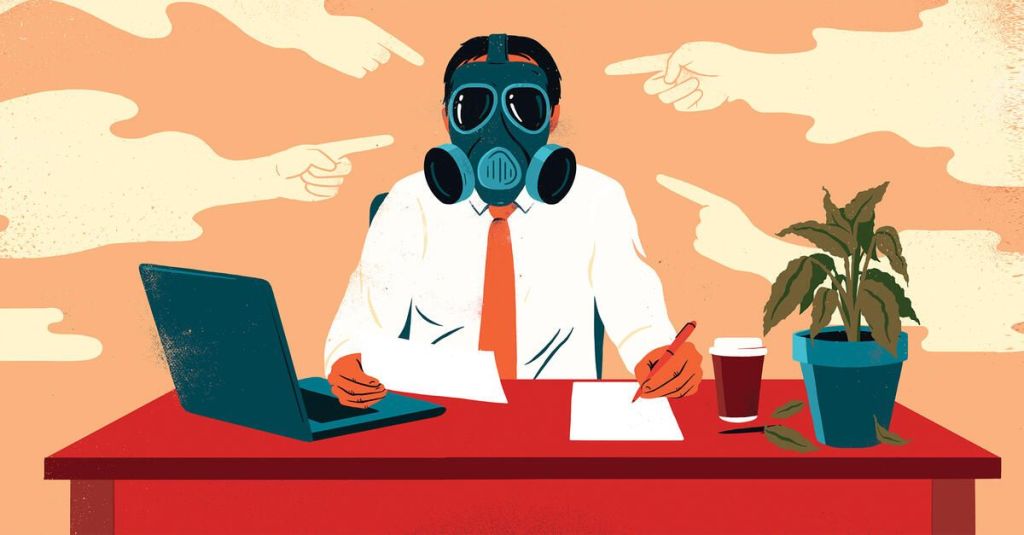
Gender also plays a role. Through speaking to my peers and by reading personal stories shared online, men and women in Malta face different sources of shame, especially in childhood and adolescence.
Growing up, females tend to face pressure to:
- Use make-up to be ‘pretty,’ and to find a partner
- To be thin, as it is almost somehow sinful to put on weight and then reminded ‘to lose weight because you need to be pretty’
- At child-bearing age ‘how haven’t you had kids yet?’
- Keep it together
- To shave, because women again, need to be ‘pretty’ not masculine
Growing up, males tend to face pressure to:
- To not being open about how they feel, not sharing their emotions, else you are called ‘too sensitive’
- To ‘man up’ if you complain of any type of pain and to suck it up instead of going to the doctor
We are fostering a culture that normalises shaming where people put you down without thinking about it twice. When this happens so often, many people avoid taking risks to avoid facing criticism.

In a shame-prone culture, feedback is lacking or where provided is not constructive, and in such cases the feedback is not likely to be taken up at all. Brown explains how ‘shame-prone cultures’ show a ‘total dearth of creativity and innovation‘ and to have innovation, we cannot have shame.
For a person or a business to grow there needs to be a culture where feedback is human, not humiliating, without sidelining the strengths of the person. With the right kind of feedback, people will more likely take up the feedback to improve. We are human and therefore, make mistakes.
We need a shame-resilient culture, where people show empathy and support in our circles, whether it is at home with our family or at our workplace, where one can be vulnerable, and where we can grow as individuals. This approach contributes to innovation.

We can change if we try, but it will be difficult. The culture of shame in Malta goes back generations and is so embedded that many don’t realise they’re perpetuating something corrosive. Maybe some of Brown’s research can be applied to the Maltese context, and we can apply the findings to rethink how we give feedback to each other and our young ones.
If you’re interested in learning more, please check out the TED talk by Dr. Brené Brown about her research: https://www.youtube.com/watch?v=iCvmsMzlF7
Further reading: ‘Daring Greatly‘ by Brené Brown
ADHD 2.0: New Science and Essential Strategies for Thriving with Distraction–from Childhood Through Adulthood by Edward Hallowell and John Ratey

Written by: Bridget Bugeja
Have an interest, an idea, or an opinion?
Do you have an interest you’d like to tell others about? Or an opinion you’d like to share with the world? From politics to culture and sports, message us if you would like your articles published!
Follow us through our newsletter.
You will only receive an email when we post a new article.
 Bird's Eye View