
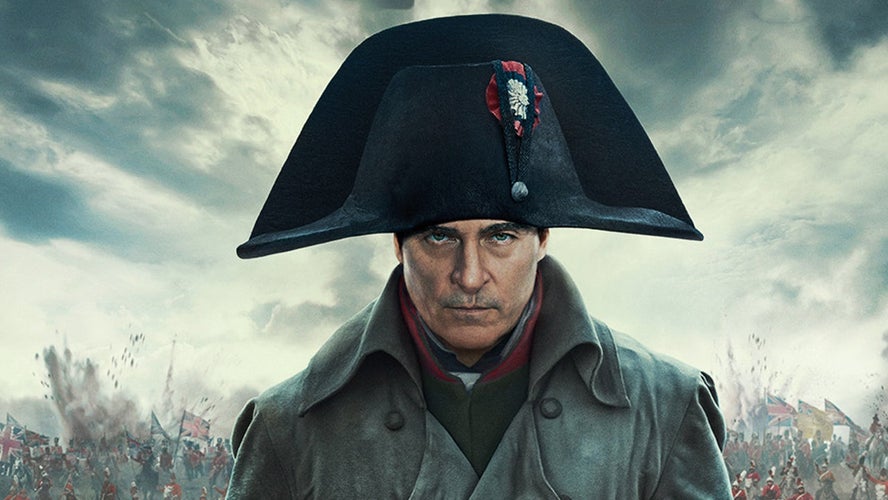
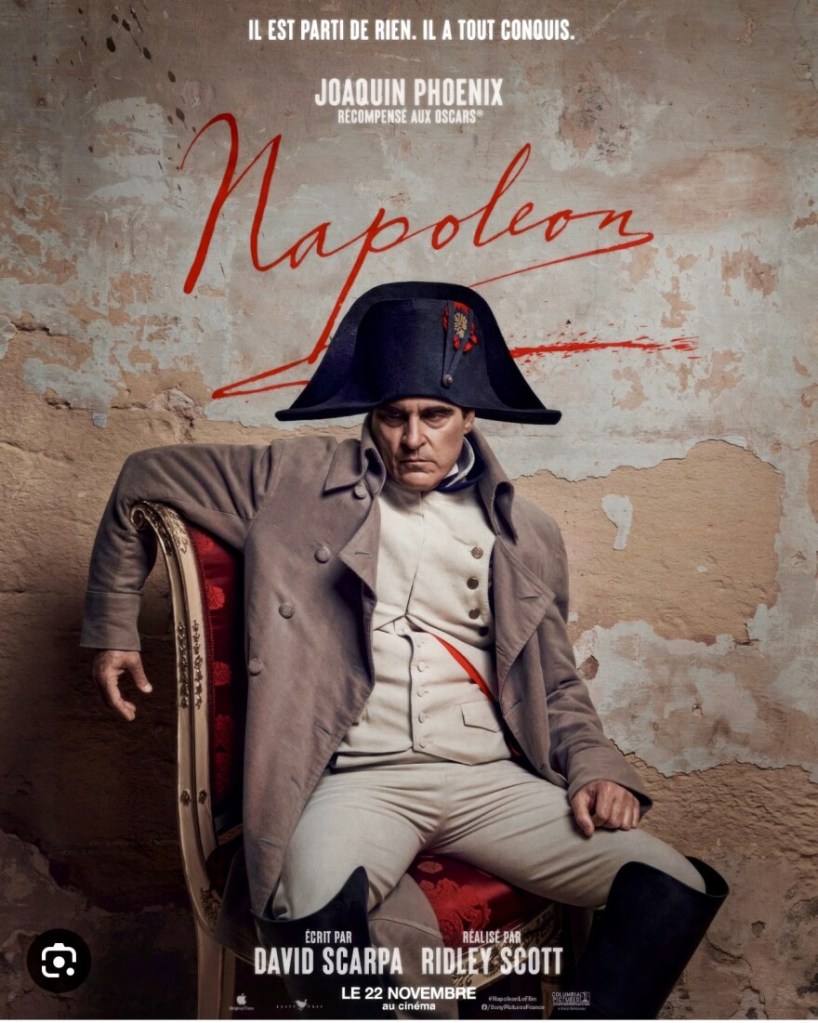
As is the case with every major movie release, it’s usually met with a fair amount of hype. The barrage of trailers and YouTube teasers, TV commercials, over the top interviews with the cast and crew, and a fancy cinema premiere flanked by an enormous red carpet and even bigger film posters. This was the sort of hype which the recently released movie titled ‘Napoleon’, that was directed by Ridley Scott, had amassed. However, many felt that the hype and the reality in relation to this film weren’t in sync with one another at all.
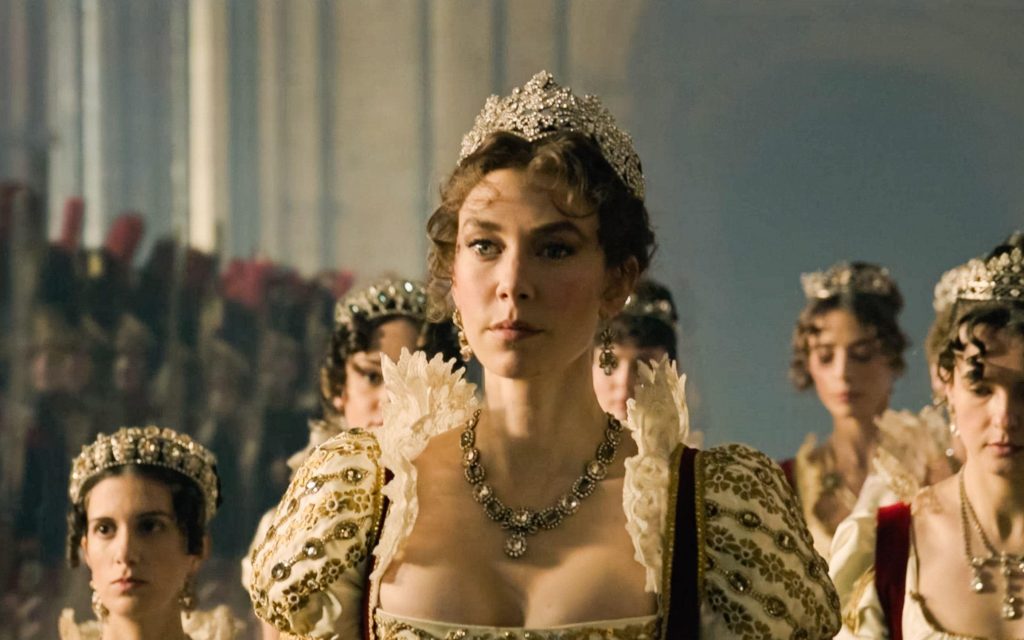
To begin with, the entire structure of the film feels out of place. Rather than feeling like an actual film, this movie experience feels like a long-drawn-out movie trailer as it depicts a lot whilst really showing nothing. The film travels in such a fast-paced motion that it doesn’t even give its audience time to digest what’s happening and it transitions from one historical event to another with no steady explanation given whatsoever. Napoleon is getting married to Empress Josephine in one scene and is swiftly conquering Egypt right after, with no build up or proper background given to the latter event, and with the former being portrayed in a very rushed and awkward manner. This aspect of the film in particular touches upon something which stood out and which didn’t make for a pleasant viewing experience, that being the way in how Napoleon was portrayed.
No one can doubt Joaquin Phoenix’s sheer acting talent, and his impressive career as of now. With that said, often it’s a question of actors working with what they’ve been given as opposed to the problem lying with the actors themselves. In this regard, Napoleon is portrayed as a socially awkward, eccentric, and bloodthirsty military brute. This portrayal of the French Emperor isn’t helped any further by the glaring contrast between Phoenix’s age and Napoleon’s age at around the time when most of the film takes place. What we saw was far from what we’d expect from the young handsome military strategist if we had to see him in the flesh. Moreover, in an era where foreign language films are becoming more and more popular, seeing European monarchs all speak English in a film set in the 19th century just didn’t sit right when so much more effort could have been put into this aspect of the movie.
The period in which the movie is set is precisely what links it to what is perhaps its most obvious error: its evident historical inaccuracy. The movie starts off with its biggest inaccuracy of this sort, that being the fact that Napoleon was not present to witness the execution of Marie Antoinette. Napoleon was in fact wounded at the Siege of Toulon, a fact which the movie completely ignores. The Battle of Austerlitz didn’t take place over a massive frozen lake, and Napoleon didn’t have cannonballs fired onto such a frozen lake if it ever existed in the first place. Napoleon didn’t have cannonballs fired onto the pyramids in Egypt, nor did he lead his troops with charges into battle. Napoleon Bonaparte never met Arthur Wellesley, The Duke of Wellington, and he never slapped Empress Josephine on the face as their divorce was being formalised. The Battle of Waterloo wasn’t over after just a few minutes.

These are only just the evident un-truths that are present throughout the movie, with many commentators even pointing out that the movie does a disservice in its depiction of Napoleon’s personality and character, together with his calibre and intelligence as a military strategist. Since the film steers away from so much of what we know to be factually true, this film borders on parody and seems to insinuate that Napoleon felt motivated to conquer Europe out of love and devotion to his wife, which left many viewers feeling perplexed to say the least.
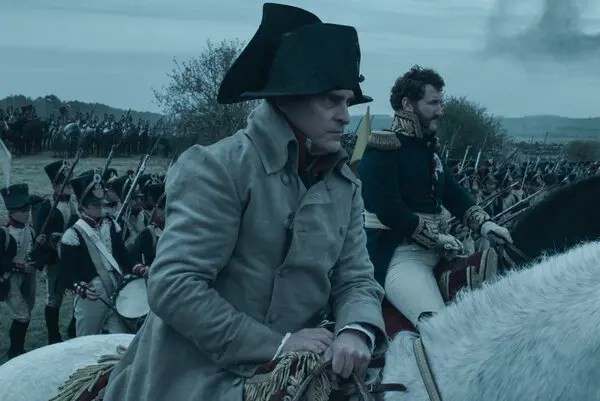
Perhaps, one of the most obvious inaccuracies in the film was showing French soldiers making use of trench warfare, when this would only become a main feature of military tactics in the First World War. That’s not to mention the considerable number of historical individuals present within the film who are completely glossed over or not even acknowledged, and with many being absent from the movie’s depictions. The same can also be said about the plethora of historical events that were left out of the movie, with such events playing a crucial role in Napoleon’s career, in addition to the events which were summarised and packed after another like a BLT sandwich.
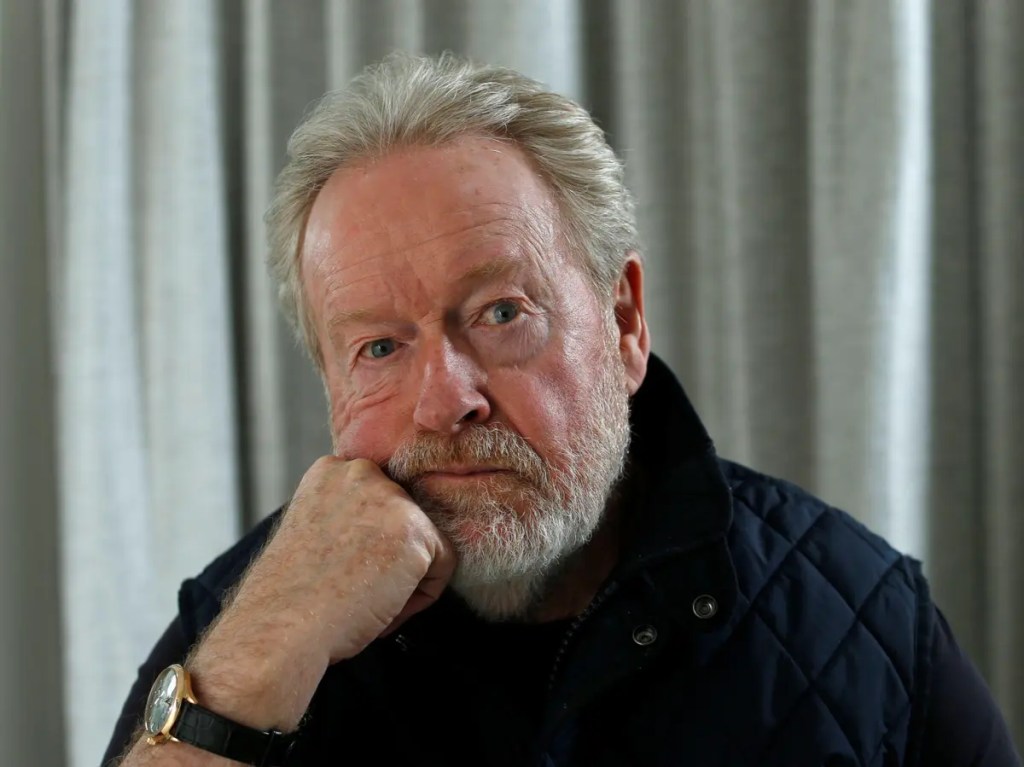
Now, what did director Ridley Scott have to say about all the criticisms levied towards his movie? All that Scott had to tell his critics was just simply to ‘Get a life’ and responded to accusations of perpetuating historical inaccuracy by asking his accusers ‘Where you there?’. Apart from irking avid historians, these comments left many viewers of this film feeling as if they were being met by nothing by arrogance and disrespect. Taking the interest of your viewers for granted is certainly something which no content creator ought to do if their work is to maintain such a strong following.
Was the movie completely bad? No. The cinematography was impressive, and the soundtrack provided some good tunes. Maltese cinemagoers got injected with a good dose of national pride as they saw Maltese locations being used as sets in the movie. Such an audience doesn’t seek absolute perfection, after all. They do at least however expect to see a good job being done right. In the case of this movie though, that was most certainly not the case.
The views expressed in this article are those of the author/s and do not necessarily represent a position or perspective of this or any organisation

Written by: Jacob Callus
Have an interest, an idea, or an opinion?
Do you have an interest you’d like to tell others about? Or an opinion you’d like to share with the world? From politics to culture and sports, message us if you would like your articles published!
Follow us through our newsletter.
You will only receive an email when we post a new article.
 Bird's Eye View