Ever seen one of those scenes, where a child is so engulfed in their game that no amount of yelling can get them to turn their eyes away from the screen? At some point, the person yelling would just walk up and unplug the TV – at which point the child would finally be compelled to turn their attention to them and an altercation can begin.
That’s not all too different from what happens when an industrial action takes place.
One of the most important tools that workers and their organisations have at their disposal to resolve labour disputes and advance their social and economic interests is industrial action. It can take many different forms, ranging from a total interruption of work for an unlimited amount of time, to more constrained forms of collective action when work is not stopped. Many countries have laws or their constitutions expressly recognising the right to strike. Article 28 of the European Union’s Charter of Fundamental Rights guarantees the right to strike at the EU level. The European Pillar of Social Rights also includes the right to collective action by the social partners.
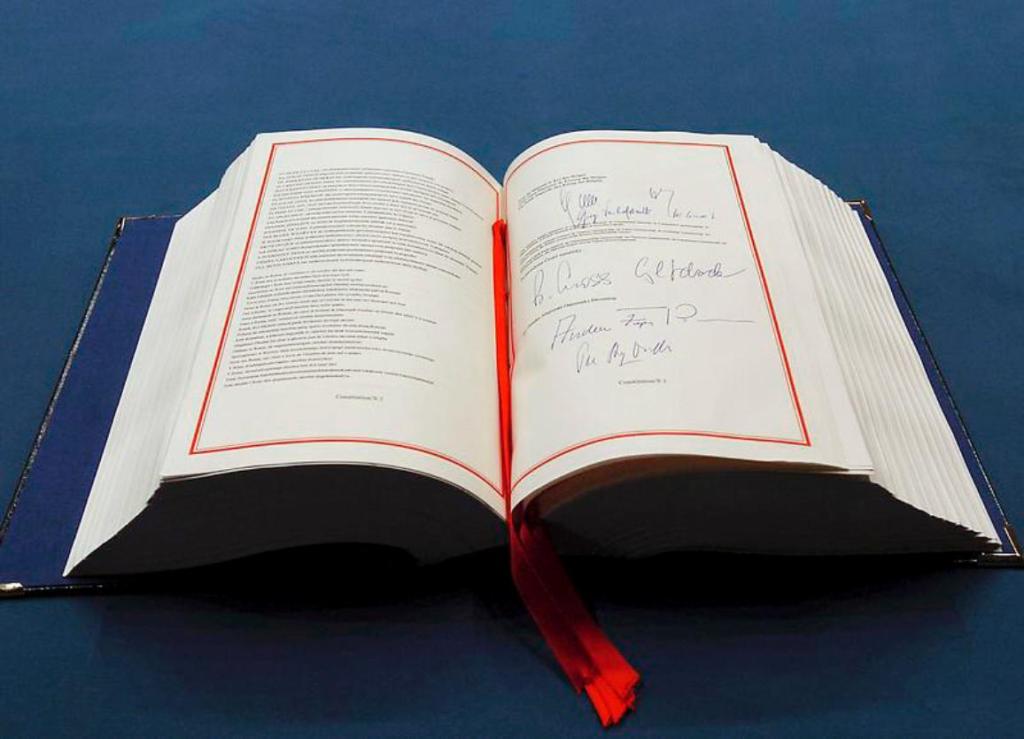
In Malta, the Employment and Industrial Relations Act (EIRA) subtly hints at the concept of industrial action by offering a protective shield to trade unions and employers’ associations. This protection, detailed in Article 63 of the EIRA, ensures these bodies are not held liable due to actions taken during industrial disputes. Such immunity kicks in when the action is aligned with addressing or advancing a trade dispute, as outlined in Articles 63 and 64 of the EIRA.
The Act defines a ‘trade dispute’ under Article 2 as a disagreement between employers and workers, or among workers themselves, tied to several specific employment-related issues. These issues range from terms of employment, work conditions, employment status changes, workload distribution, and disciplinary matters, to the functioning of trade unions within the workplace. It includes aspects like negotiation facilities, consultation mechanisms, and the recognition of a trade union’s role in these processes, as well as union membership matters.
While the EIRA doesn’t categorically list the acceptable forms of industrial action, it broadly recognizes any act conducted in consideration of, or to support, a trade dispute (keep this one in mind). This encompasses actions carried out following a trade union’s directive, regardless of the individual’s membership status in the union.
In Malta, various forms of collective action are recognized and permissible. These include comprehensive strikes, partial strikes, work slowdowns, ignoring specific employer instructions, picketing, and solidarity actions. These actions, like unplugging the TV to capture a child’s attention, serve as a wake-up call to employers about the collective strength and demands of the workforce, setting the stage for negotiations and resolutions.
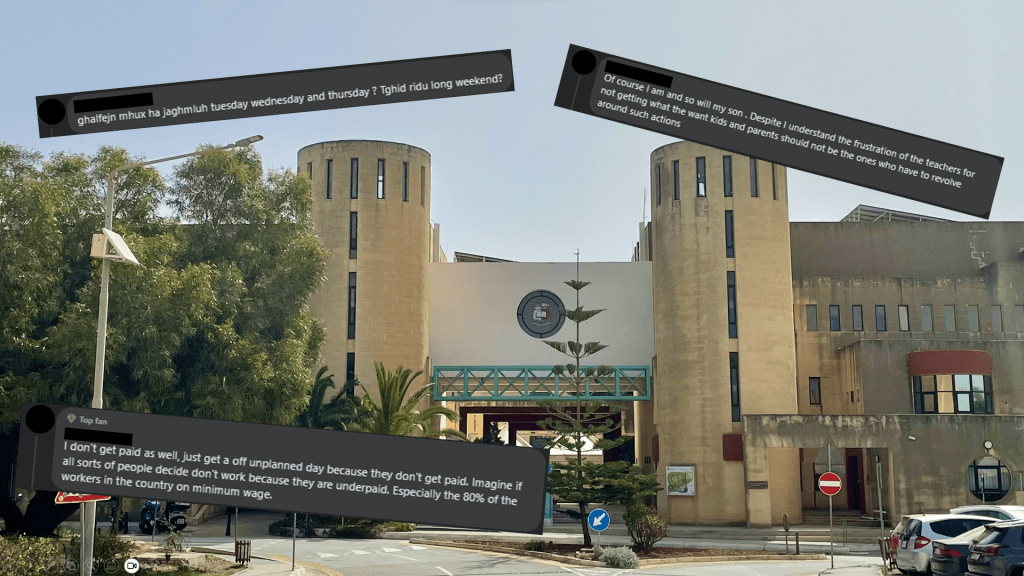
In the case of the latest University of Malta strike, the collective agreement concerned is meant to cover a vast number of workers including managers, child carers, architects, engineers, scientific officers, handypersons, messengers, dental surgery assistants, library workers, laboratory officers, psychologists, counsellors, social workers, technicians, psychologists, technicians, IT and administrative workers, among many others.
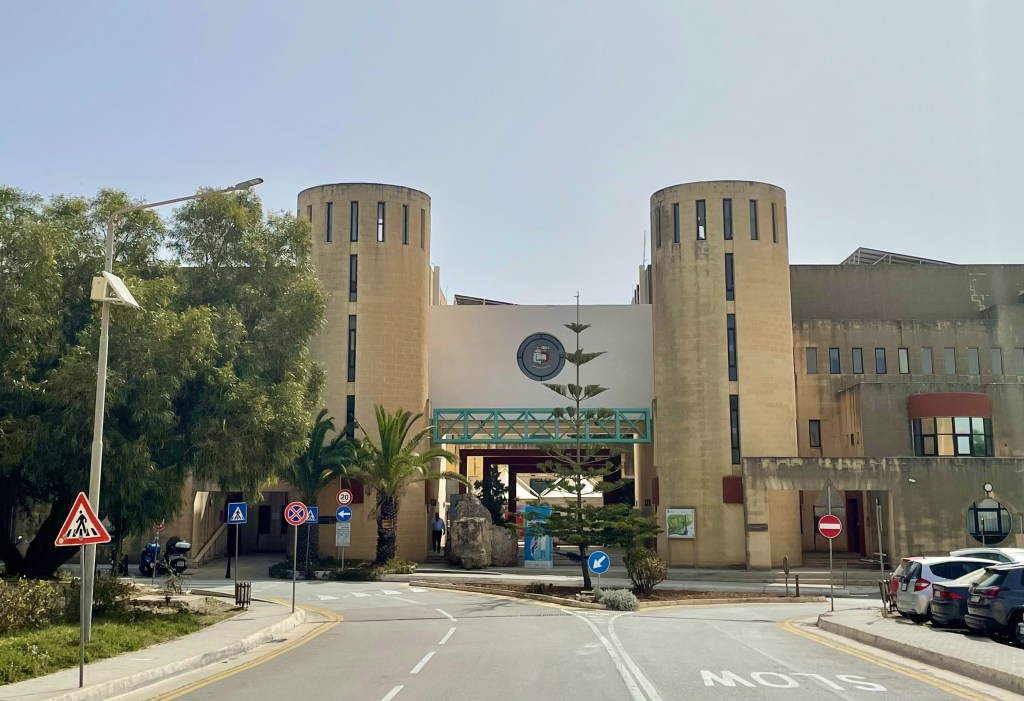
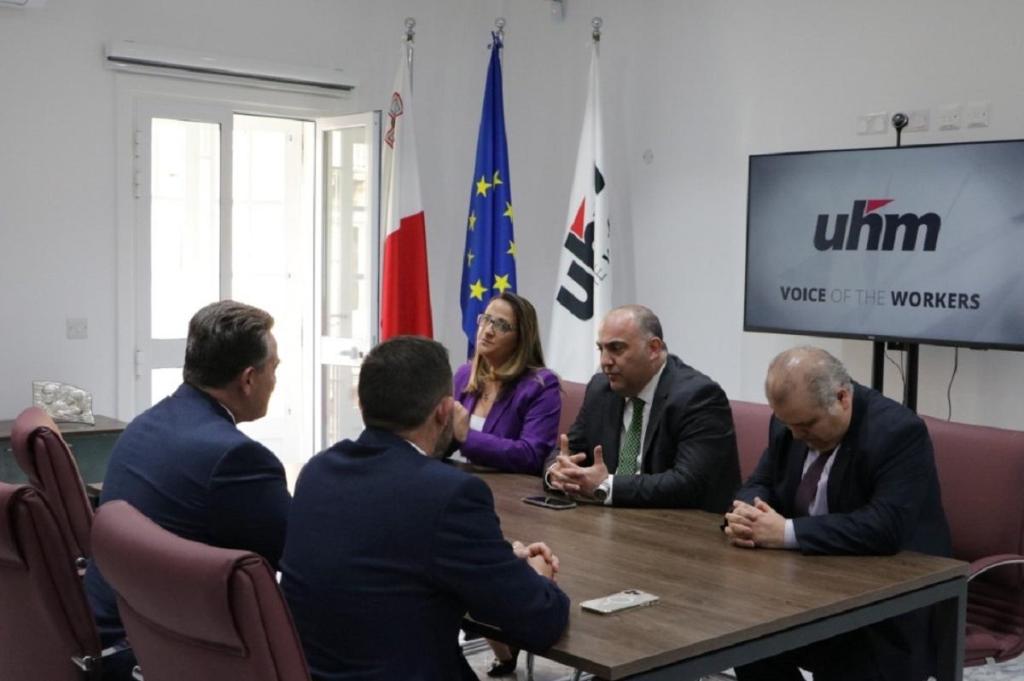
Remember the trade dispute we mentioned earlier? The union that represents the aforementioned employees announced the start of an industrial action earlier this month in the form of a labour suspension. This resulted from one such trade dispute, which in this instance was filed on November 27, of last year. The problem started, in the words of the union, when the Ministry of Education and the University’s administration kept putting off completing the new collective bargaining agreement for these employees. The old one expired in December 2021 and has not been renewed since.
That two year delay is why the union, in this case the UHM Voice of the Workers (several unions represent different sets of workers, MUT for teachers for example), stated that it was left with no choice but to issue the instructions that we witnessed taking place.
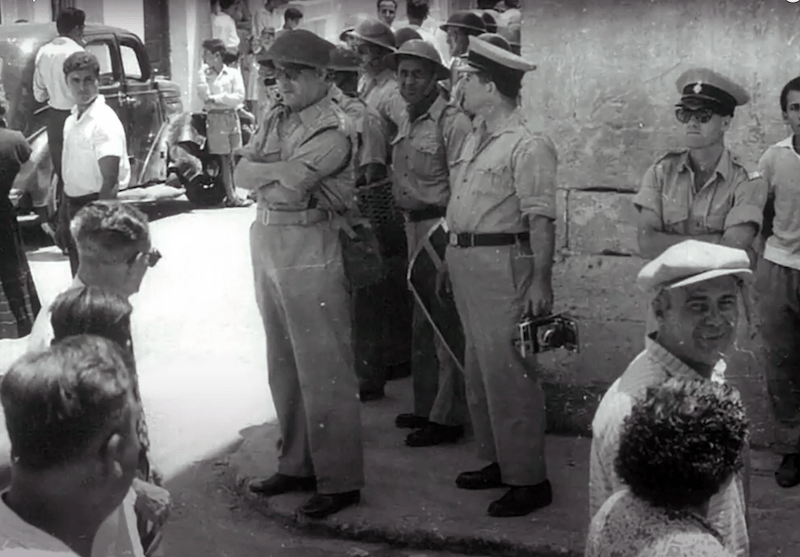
And of course, industrial actions like this one are not a novel concept. In May 2001, the Court of Appeal reversed a ruling by the Inferior Courts and upheld the validity of a 1998 Freeport industrial action carried out by the same UHM, opposing measures declared in the Government’s budget. Further back in the mid 20th century, when the British wanted to close down the dockyard, which employed over 11,000 workers, without alternative employment, the Malta Labour Party together with the General Worker’s Union started demonstrations, much larger in scale and repercussions than anything we can imagine seeing today.
Since then, an endless list of industrial actions have taken place each and every year, by different Unions and for different causes, and their consequences – the ‘expense’ that they’re taken at (turning off the TV) – are precisely why they work. May 1st’s Jum il-Ħaddiem is specifically meant to commemorate the efforts of workers and unions in shaping today’s labour laws and advocating for workers’ rights.
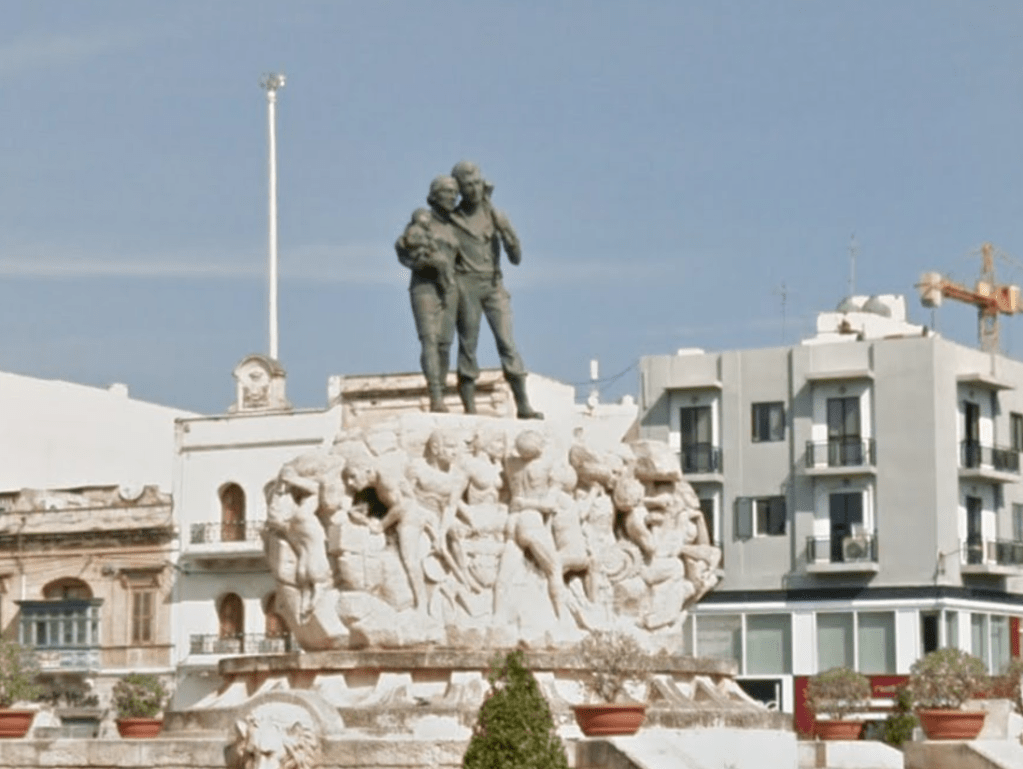
So yes, each strike and demonstration brings its set of repercussions, including late exams and delayed results in some cases, or wide economic disruptions and deadly political confrontations in others. Yet, these actions are generally necessary steps in a larger battle for justice and equitable treatment in the workplace. They reflect a fundamental truth: strikes, while costly in the short term, are often the last resort for workers seeking to negotiate fair terms and remind governments and employers of their indispensable role in society.
The views expressed in this article are those of the author/s and do not necessarily represent a position or perspective of this or any organisation

Written by: Gianluca Vella
Have an interest, an idea, or an opinion?
Do you have an interest you’d like to tell others about? Or an opinion you’d like to share with the world? From politics to culture and sports, message us if you would like your articles published!
Follow us through our newsletter.
You will only receive an email when we post a new article.
 Bird's Eye View