

In our daily lives, we often find ourselves labelling not only our surroundings but also ourselves. It’s common to attribute our experiences to various conditions or disorders, especially as we become more familiar with psychological terminology through avenues like the Diagnostic and Statistical Manual of Mental Disorders (DSM).
Personally, my exploration of psychology, both out of personal interest and through my undergraduate studies, led me to identify with certain disorder criteria. However, I will not let any label overshadow my identity or dictate my sense of self-worth.

Yet, despite increasing awareness about mental health, many still grapple with feelings of shame or inadequacy when acknowledging their own conditions. Why, then, do individuals with mental health challenges continue to feel isolated or stigmatized in a society supposedly more informed or accepting?
In my view, humans from hundreds of years ago and those of the present share fundamental similarities. However, contemporary life presents us with heightened stressors and demands, contributing to a rise in anxiety and depressive disorders. Consequently, more individuals are diagnosed with conditions such as Major Depressive Disorder (MDD).
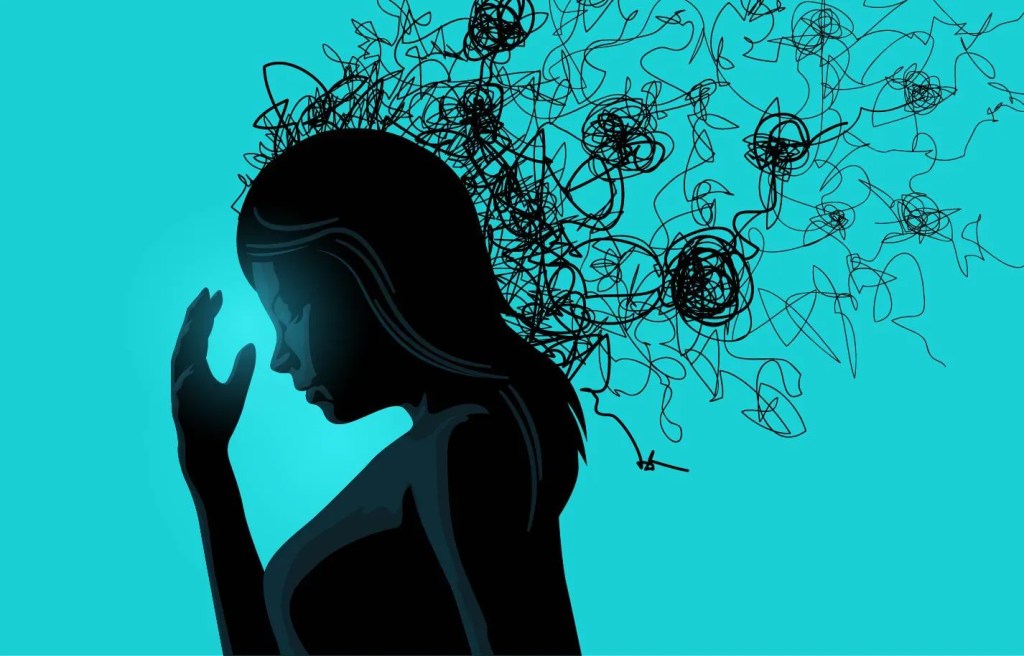
According to the Diagnostic and Statistical Manual of Mental Disorders, MDD is characterized by the presence of five out of seven specified symptoms over a minimum two-week period. These symptoms typically include a depressed mood or diminished interest or pleasure, alongside alterations in functioning, significant distress or impairment, and the absence of an alternative explanation.
Over the years, I’ve observed that during challenging periods, I often experience symptoms aligning with a depressive episode. I’ve pondered on the possibility of how I could get cured of it. But the reality is that you don’t. However, you can learn how to control it. Those experiencing depressive episodes are not in a perpetual state of despair; they lead lives filled with everyday activities, yet are susceptible to episodes triggered by overwhelming problems they perceive as insurmountable.
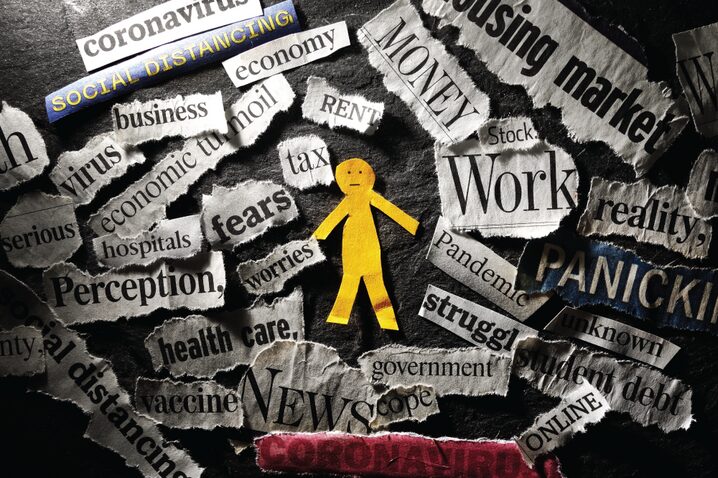
Unfortunately, individuals grappling with mental illness may not receive immediate assistance, as their struggles are not always evident. Some opt to conceal their challenges, unlike those with physical ailments who often receive visible displays of empathy and support. Hence, it is important to show compassion to those around us, recognizing that everyone faces battles unseen to the naked eye.
So what does a depressive episode entail? Unlike a panic attack, it involves a relentless cycle of negative thoughts that dominate one’s consciousness, distorting perception and casting a shadow over daily activities. Instead of persevering through routine, one may retreat to solitude, overwhelmed by the conviction that life lacks purpose. It’s crucial during these moments to reach out for support, whether from friends, family, or helplines like 1579.
How did I learn to manage these episodes?
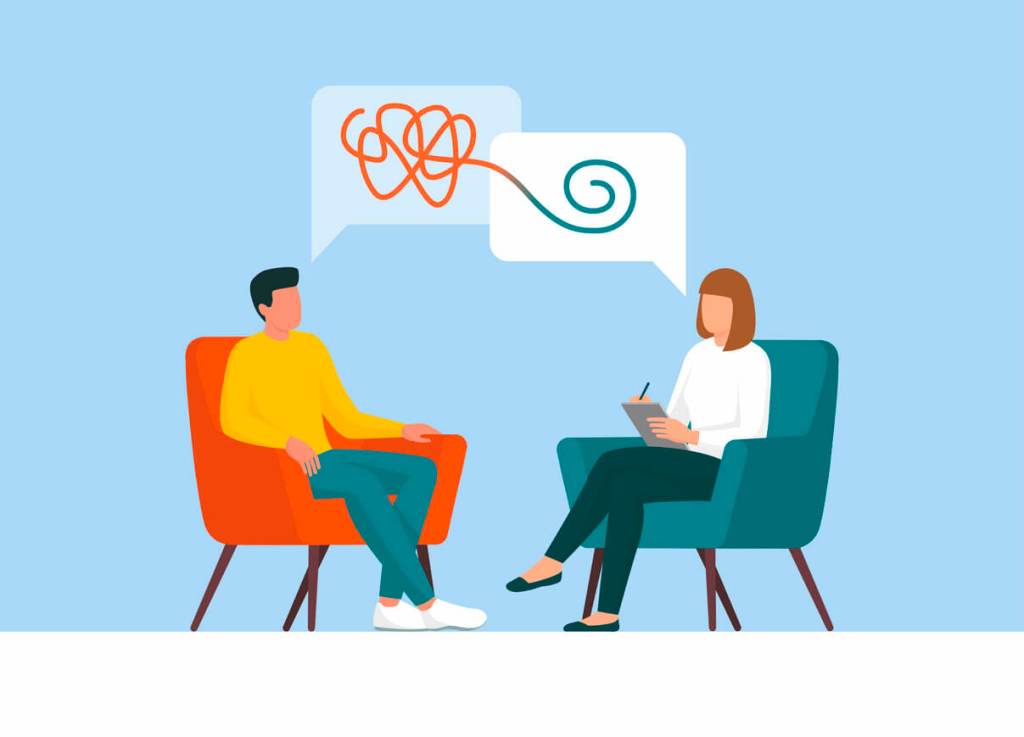
Firstly, I sought help promptly, though finding the right therapist proved challenging initially. Persistence paid off, however, as I discovered the importance of not giving up until finding the right fit.
Secondly, I explored activities that brought solace, whether it be reading, dancing or indulging in favourite music.
Lastly, I compiled a support network, recognizing the significance of social connections in navigating difficult emotions.
These strategies might not work for everyone and therefore it is crucial to experiment with different strategies to determine what brings relief and promote well-being.
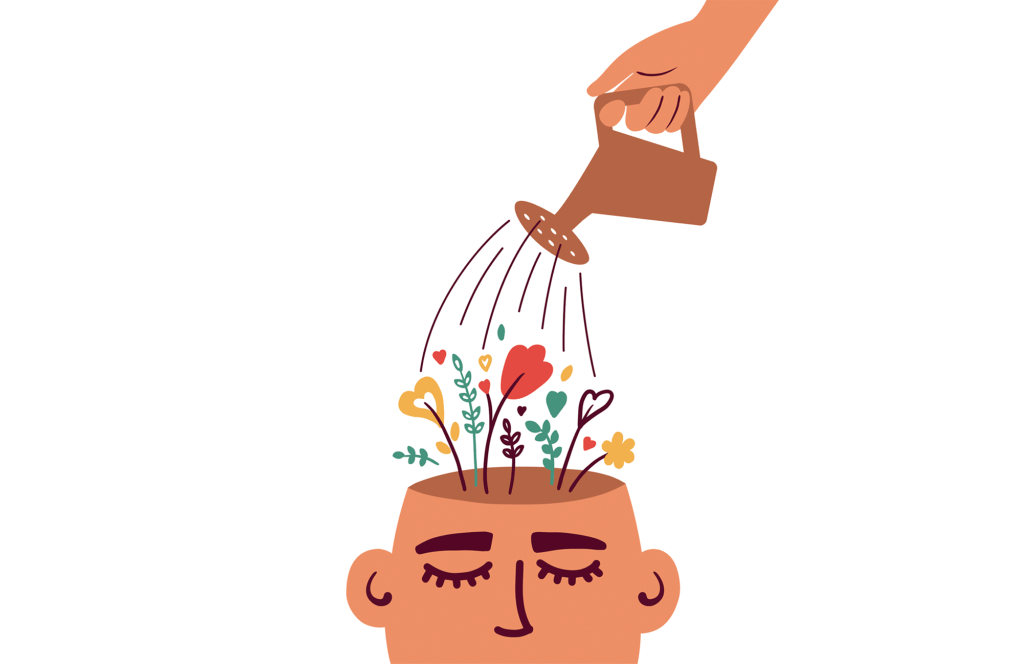
Though I still encounter struggles, I refuse to allow them to define me or tarnish my relationships. Every day, I strive to grow and extend a helping hand to others facing similar challenges, embodying the belief that our shared experiences can foster understanding and empathy in a world where mental health remains a misunderstood frontier.

Written by: Michela Faye Bugeja
Michela Faye Bugeja, a 22-year-old student of Gestalt psychotherapy, is deeply passionate about mental health and well-being. Through her Instagram page, “mentalmazetherapy,” she shares quotes and terms she encounters while pursuing her master’s degree, aiming to educate and inspire her followers. Michela’s goal is to offer support to others facing similar challenges to her own, fostering a community of learning and growth.
Have an interest, an idea, or an opinion?
Do you have an interest you’d like to tell others about? Or an opinion you’d like to share with the world? From politics to culture and sports, message us if you would like your articles published!
Follow us through our newsletter.
You will only receive an email when we post a new article.
 Bird's Eye View