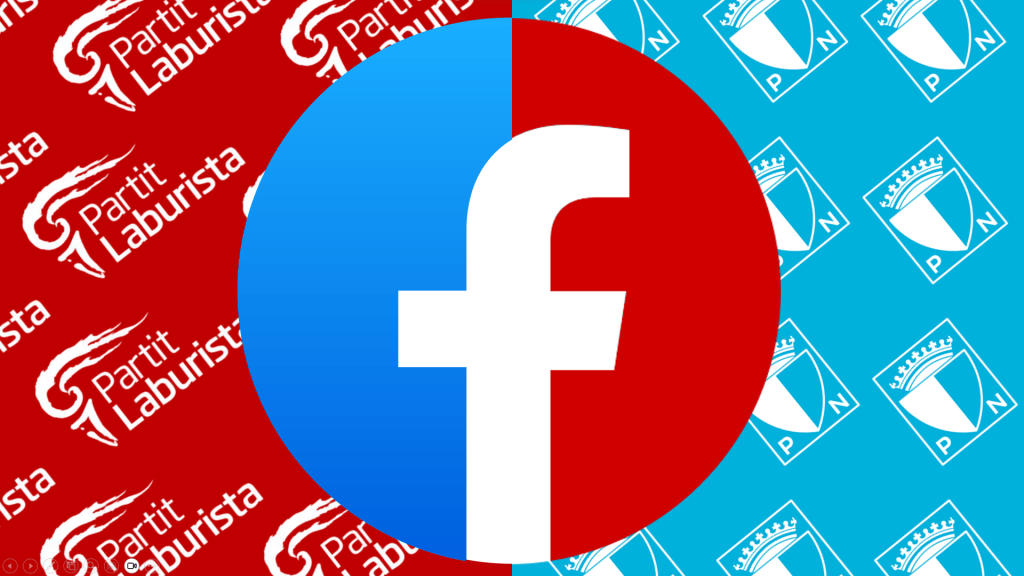
You’re probably thinking that I’m going to be talking about some hot potato yearning to be properly tackled. But alas, no. I’m not talking about debating an issue. I’m talking about debating the concept of debating itself, which has taken many forms these days.
Be it in person, online or in the confines of a Facebook comment section, ‘ debates’ in and of themselves can take quite a nasty turn these days, no matter the platform. I put the word debates in inverted commas before because more often than not, these events don’t even feel like actual debates. They transform into shouting matches, incidents where personal insults are hurled freely and paragraphs written in capital letters.
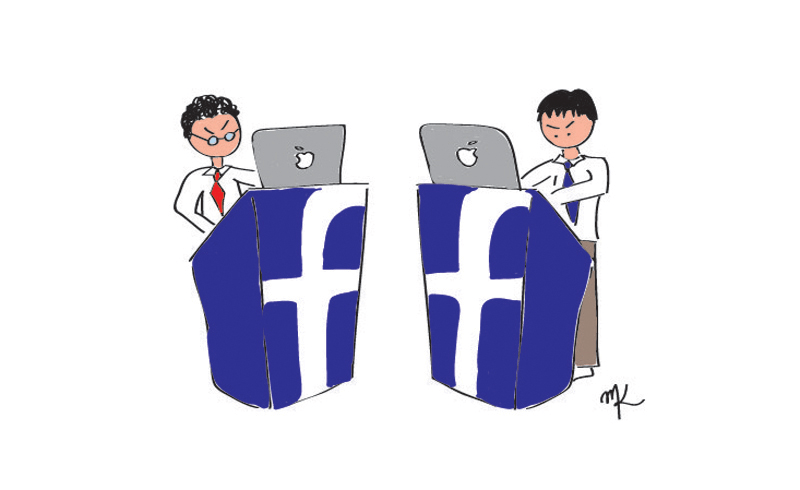
In addition to this overall lack of civility though, there’s something else with large-scale political implications which is arguably just as concerning. There seems to be an inability to agree to disagree, and some people just can’t disagree respectfully anymore.
As opposed to talking about issues and their substantive nature, attention diverts to an individual’s personal activities or characteristics. Interruptions become the norm, and all we hear are insults and partisan rhetoric being thrown around like a ball in a game of squash.
The absorption and regurgitation of political propaganda, as conveyed, is also a major issue, Malta being a textbook example of how this has contaminated our political landscape and discourse. This however merits an article in of itself and is something I won’t manage to get into today.
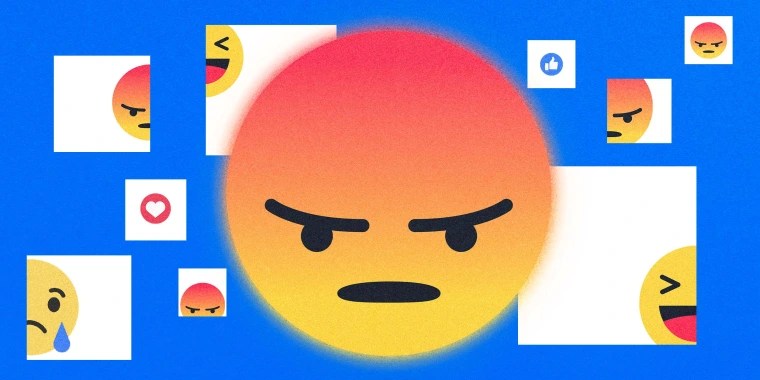
What I will delve into though, is the fact that any reasonable discussion or debate on any given issue can almost always be disregarded, as what we’re left with will most likely descend into a barrage of name-calling and raised voices, accompanied by a litany of events which occurred over 20 years ago if you’re following the regular day to day debacles which Maltese politics has to offer.
What is also on display here is the persevering fact that those on the fringes of both main sides of the political spectrum are heavily entrenched in their positions, and those in the centre of the political spectrum are left wondering how they can put their points forward in such an unhealthy and destructive environment.
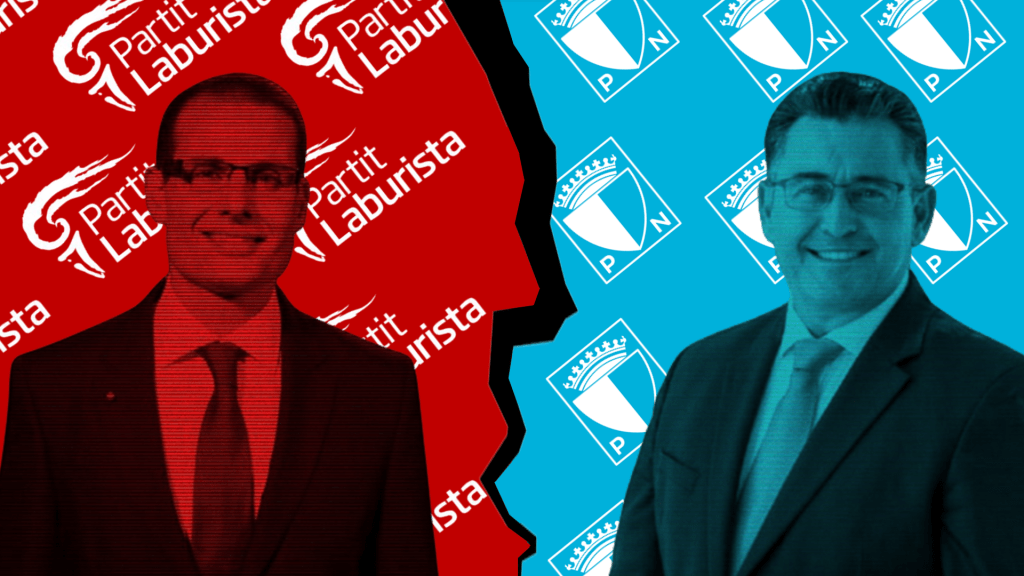
This lack of constructive thinking is further exhibited by having one side of the aisle yearning to preserve what it has achieved and shudder at the thought of losing it, whilst the other longs for a time which was different to what we have now and which seeks to undo the damage being done before it’s very eyes.
This is not to say, however, that anything and everything is and ought to be up for discussion in a debate, a human being’s dignity and the respect it warrants being one of them. The identity of a human being and that of a member of a minority group is included within this categorisation as well. Additionally, fundamental human rights are non-negotiable by their very nature and aren’t matters that merit being brought into dispute.
What ought to be up for discussion are bread and butter issues, and what we should be debating are the solutions. We should be talking about the state of key sectors that make up our economy and sociopolitical landscape. What we should be doing is accepting that it’s perfectly fine to agree to disagree and that it’s okay to disagree to begin with. And maybe what we also need to do for our society to truly move forward, is to talk less and listen more.
Written by: Jacob Callus
Have an interest, an idea, or an opinion?
Do you have an interest you’d like to tell others about? Or an opinion you’d like to share with the world? From politics to culture and sports, message us if you would like your articles published!
Follow us through our newsletter.
You will only receive an email when we post a new article.
 Bird's Eye View